Define the Problem and the Operating Conditions
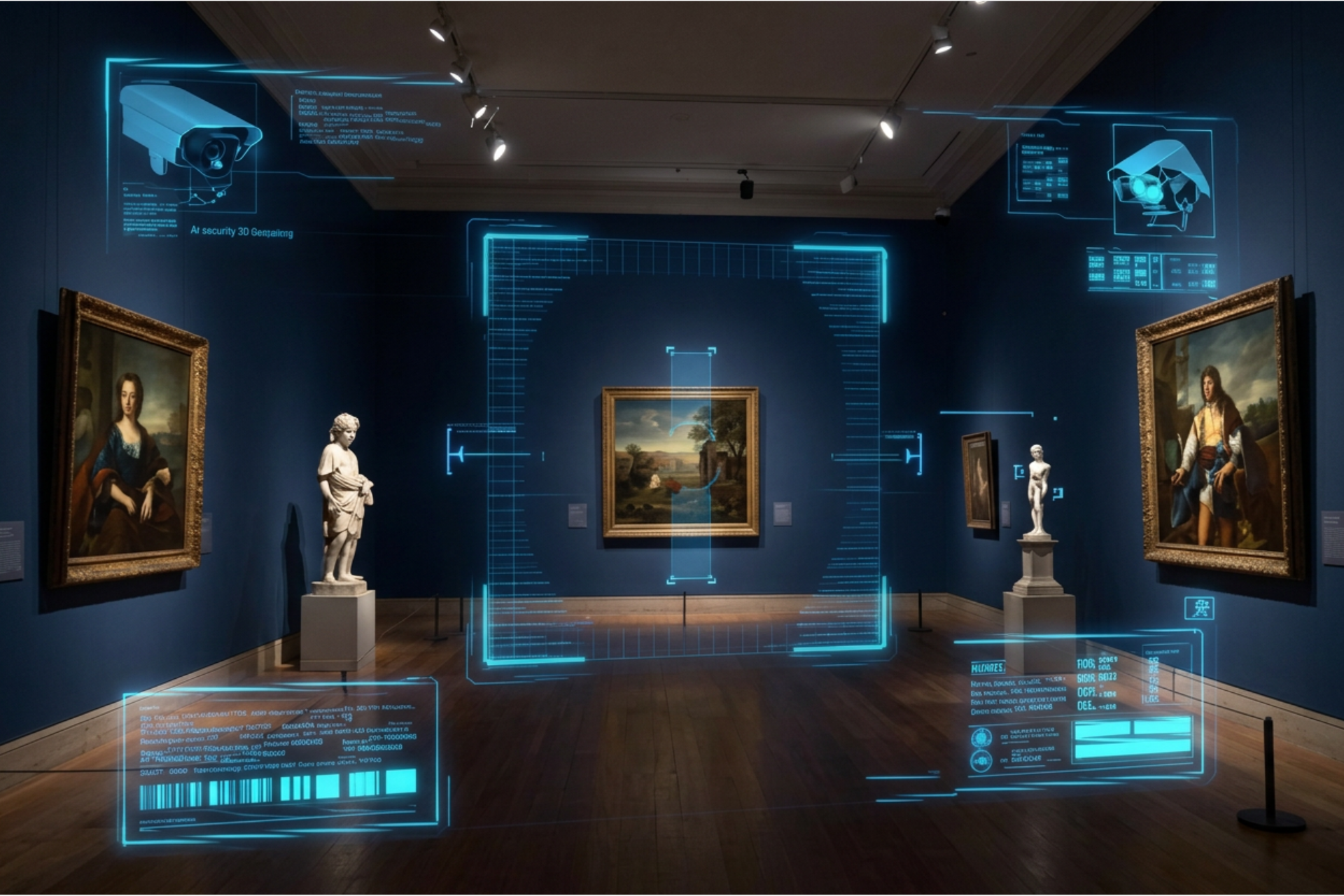
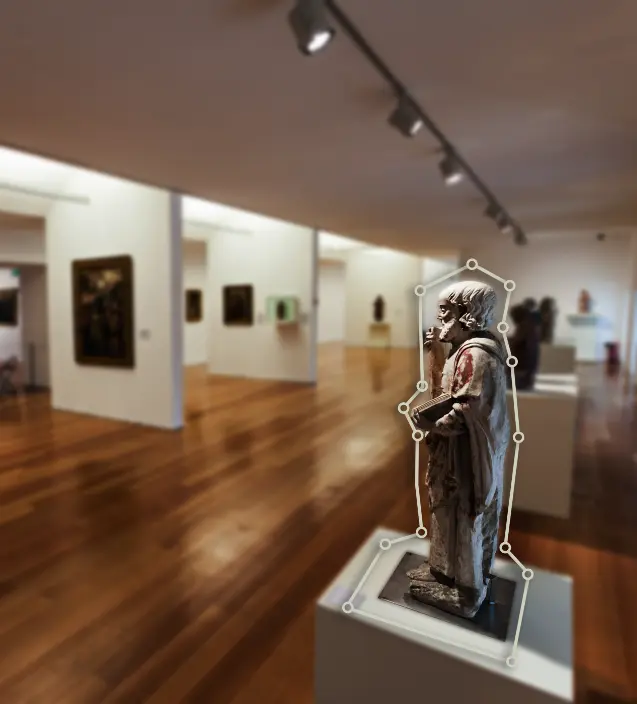
NIST advises organizations to map the context in which an AI system will operate and select measurements that fit its purpose, audience, and evaluation needs. For a museum, that begins with a precise use case such as: detecting proximity to open works, reducing nuisance alarms, protecting kinetic art, extending coverage into blind spots, or improving staff response. The museum should identify which galleries, objects, and behaviors are in scope and record conditions such as changing daylight, reflections, shadows, crowds, special events, and moving exhibits.
Ask how the system was developed and whether it has been tested in working museums. Generic motion detection may struggle when the artwork itself moves or when light changes throughout the day.
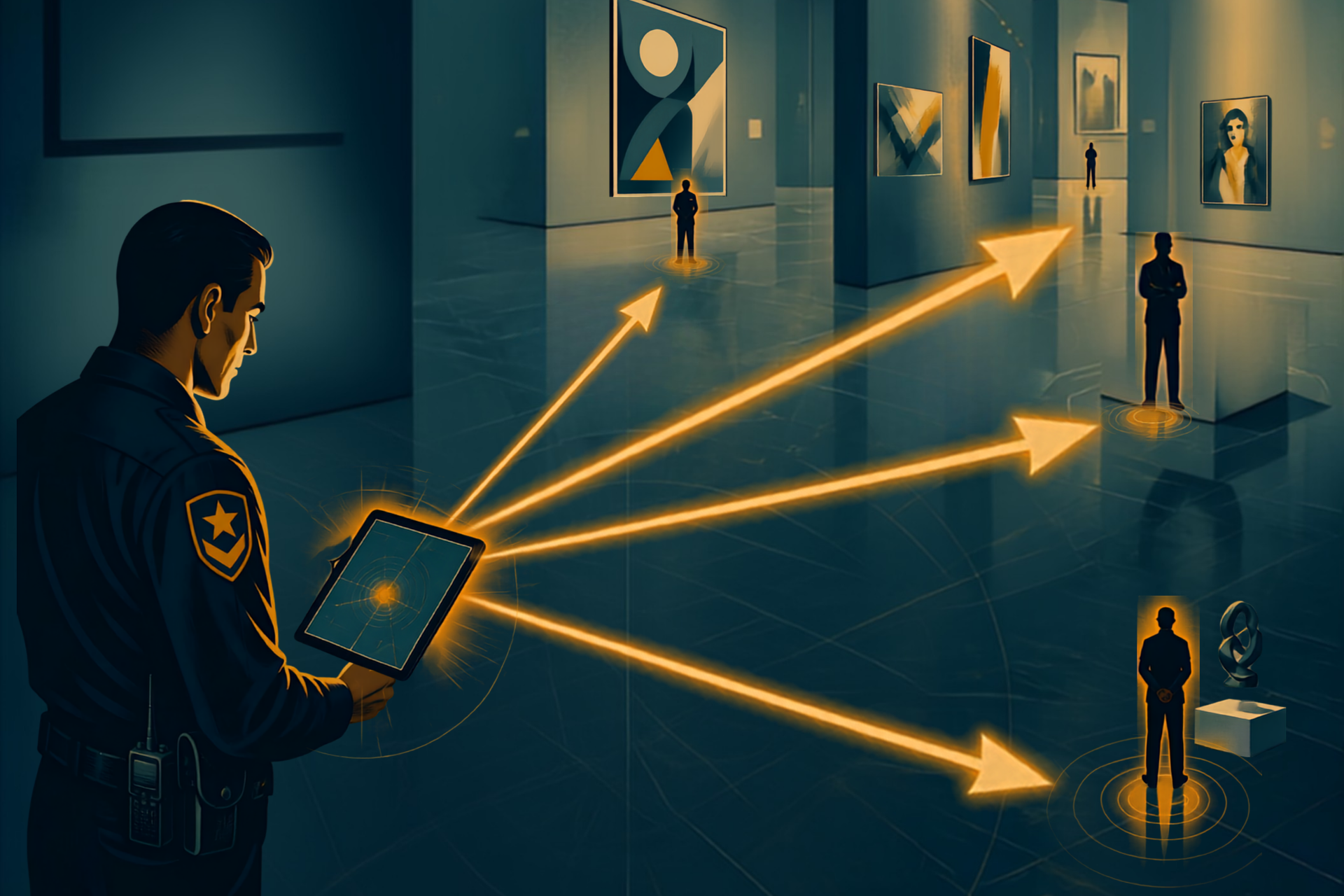
Art Sentry designed its Sentry Intelligence platform specifically for museum galleries and measured it the way this page recommends: before and after, in working museums, on the cameras that generated the most nuisance alerts. Across six museums, Sentry Intelligence cut the false alarm rate by more than 70 percent at every site and by more than 90 percent at five of them, producing up to 25 times fewer false alarms and precision as high as 99.8 percent. Because every gallery presents different operating conditions, we encourage prospective customers to discuss how performance will be evaluated in their own environment.
How Should a Museum Test AI Accuracy?
Shadows, reflections, fluctuating light, environmental changes, and moving artwork are common causes of false alerts in conventional video analytics. NIST similarly recommends evaluating AI systems under conditions comparable to their intended operating environments.
A demonstration should therefore include ordinary visitor movement and the difficult conditions present in the museum. The museum team can measure missed events, false alerts, and response time while reviewing how much staff effort is required to configure and maintain the system. Testing should also examine what happens when lighting changes, an exhibit is reconfigured, or a camera’s view is obstructed.
NIST advises organizations to track errors and incidents, compare predeployment and postdeployment performance, test under stress conditions, and document the conditions in which a system can fail safely. For a museum, that means agreeing on acceptance criteria before rollout and retaining a practical way to report problems after launch.
Art Sentry applies the same discipline after deployment. At one large encyclopedic museum, Sentry Intelligence raised alarm precision from 71.2 percent to 95.1 percent after its first tuning iteration (six times fewer false alarms), then to 98.8 percent after a second iteration (24 times fewer). Buyers should expect a vendor to show this kind of measured, ongoing improvement.
Evaluate the Whole Workflow
 The detection model is only one part of the solution. Buyers should examine how alerts reach guards, whether staff receive useful video context, how audible messages are customized, how events are recorded and how the system works with existing cameras or video platforms.
They should also define retention, user permissions, remote access, cybersecurity responsibilities, and privacy practices. Art Sentry can serve as a complete video management system (VMS) with museum-focused object protection, or run alongside a museum’s existing VMS, in most cases sharing the same cameras. It works with Axis and most ONVIF-compliant cameras; camera placement should be confirmed during planning.
Human control must remain clear. Staff need authority to assess alerts, escalate incidents, and correct settings. Training should cover both technical operation and visitor interaction. Reporting should help leaders distinguish a successful automated correction from an event that required intervention.
Buyers should also ask a simple question: what is the AI allowed to do on its own? Much of today’s concern about AI is really about AI agents, software that can act independently by changing settings, operating equipment or communicating with people. Protecting objects on display does not require that kind of authority. Art Sentry’s Sentry Intelligence, for example, makes only one decision: whether activity detected in a protection zone should become an alarm. It cannot operate building systems, change protection zones or decide how staff respond; those remain in human hands.
Use a Pilot and Verify the Business Case
We recommend a limited pilot because it can reveal more than a polished demonstration. The Montgomery Museum of Fine Arts asked for a 60-day trial before committing; Art Sentry extended it to 90 days. “We saw it in action. We knew it would work,” said India Wilson, Head of Operations, who then rolled the system out in phases as public funding allowed. Select representative galleries, include demanding lighting or traffic conditions, and involve security, IT, facilities, curatorial, and visitor-experience staff. Compare results with the existing process and document changes in alert volume, response time, and staff workload.
The Butler Institute of American Art in Youngstown, Ohio, provides a useful results case rather than a universal promise. The Butler reports reducing guards per floor from three to one, annual savings above $160,000, and a 1.7-year payback after installing Art Sentry. Another museum may have different staffing, infrastructure, and risk. Its business case should use local costs and verified pilot data. Director Dr. Lou Zona calls the system “the wisest expenditure in my three decades here at the Butler.”
The business case can extend beyond staffing. One Midwest art museum hosting a Van Gogh loan faced a strict officer line-of-sight requirement. After the security director explained that Art Sentry would alarm immediately if someone approached the painting, the lender waived the requirement.
- Has the system been deployed in working museums, and can we speak with those institutions?
- How does it handle reflections, changing daylight, shadows, and moving or kinetic artwork?
- What false-alert and missed-event rates should we expect, and how were those figures measured?
- Can it use our existing cameras and video management system?
- How are alerts delivered to guards, and what video context comes with them?
- Can we customize audible messages by gallery, language, and volume?
- Is any part of the system an autonomous AI agent, and what can it do without a person approving it?
- Who owns the data, how long is video retained, and who is responsible for cybersecurity?
- What does a pilot include, and what acceptance criteria will we agree on before full rollout?
The strongest AI museum security system performs reliably in the intended galleries, communicates clearly with staff and visitors, and remains measurable after purchase. Evidence from the museum’s own environment should decide the outcome.