How Do You Define A Protection Zone Around Artwork?
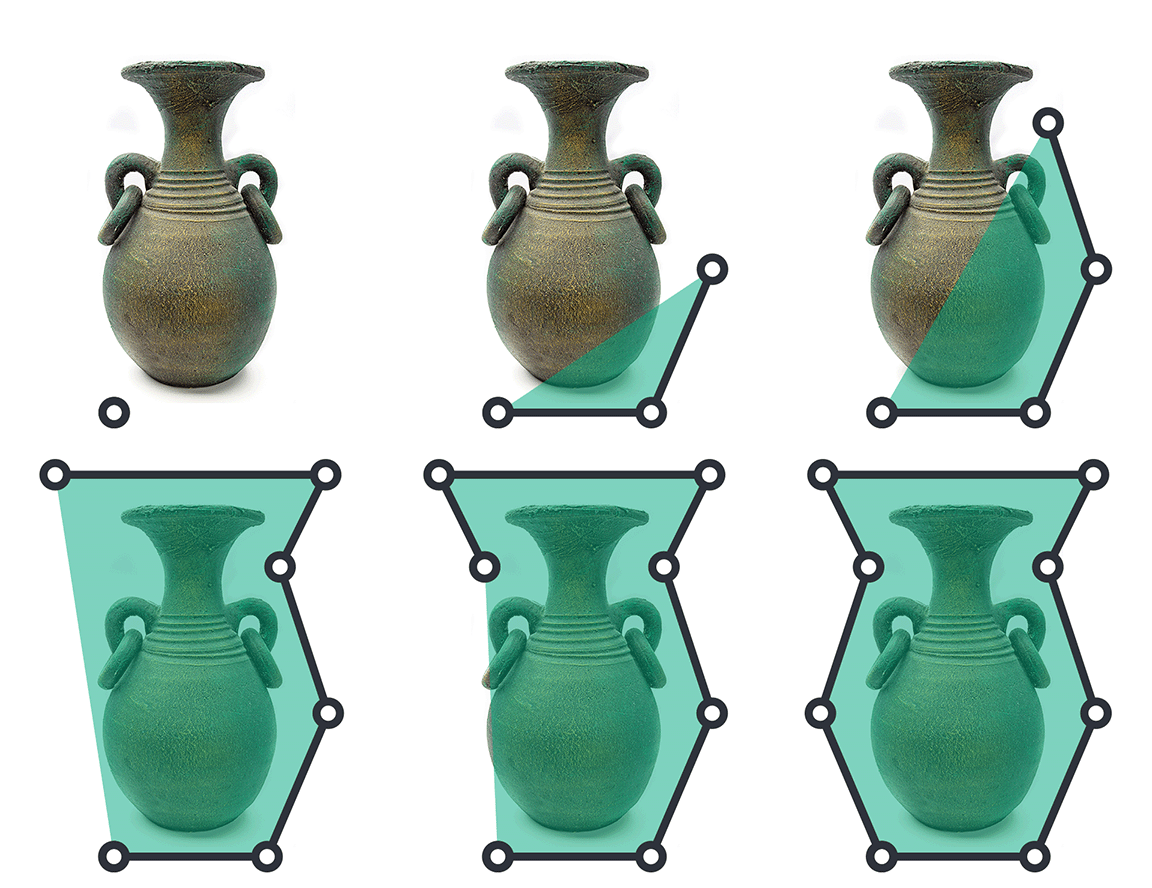
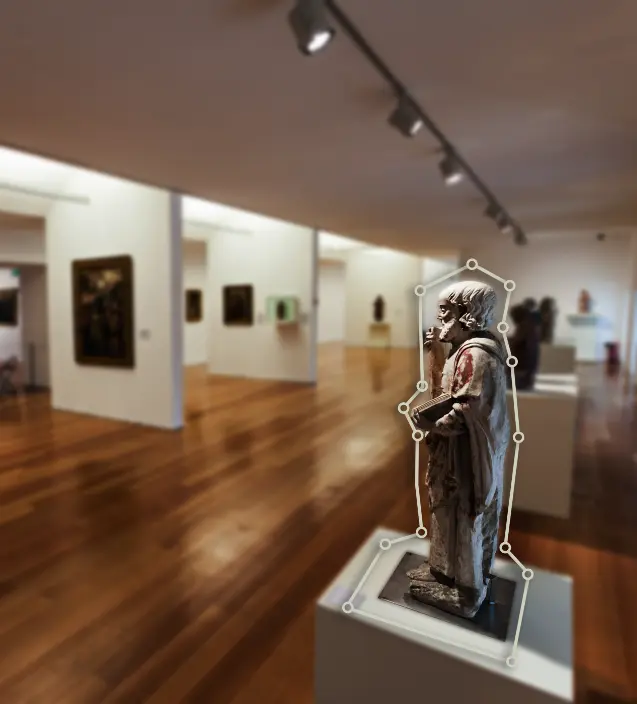
A useful plan starts with the object, its setting, and likely visitor behavior. Museums can establish a protection area based on fragility, value, mounting, traffic flow, and the distance needed for safe viewing.
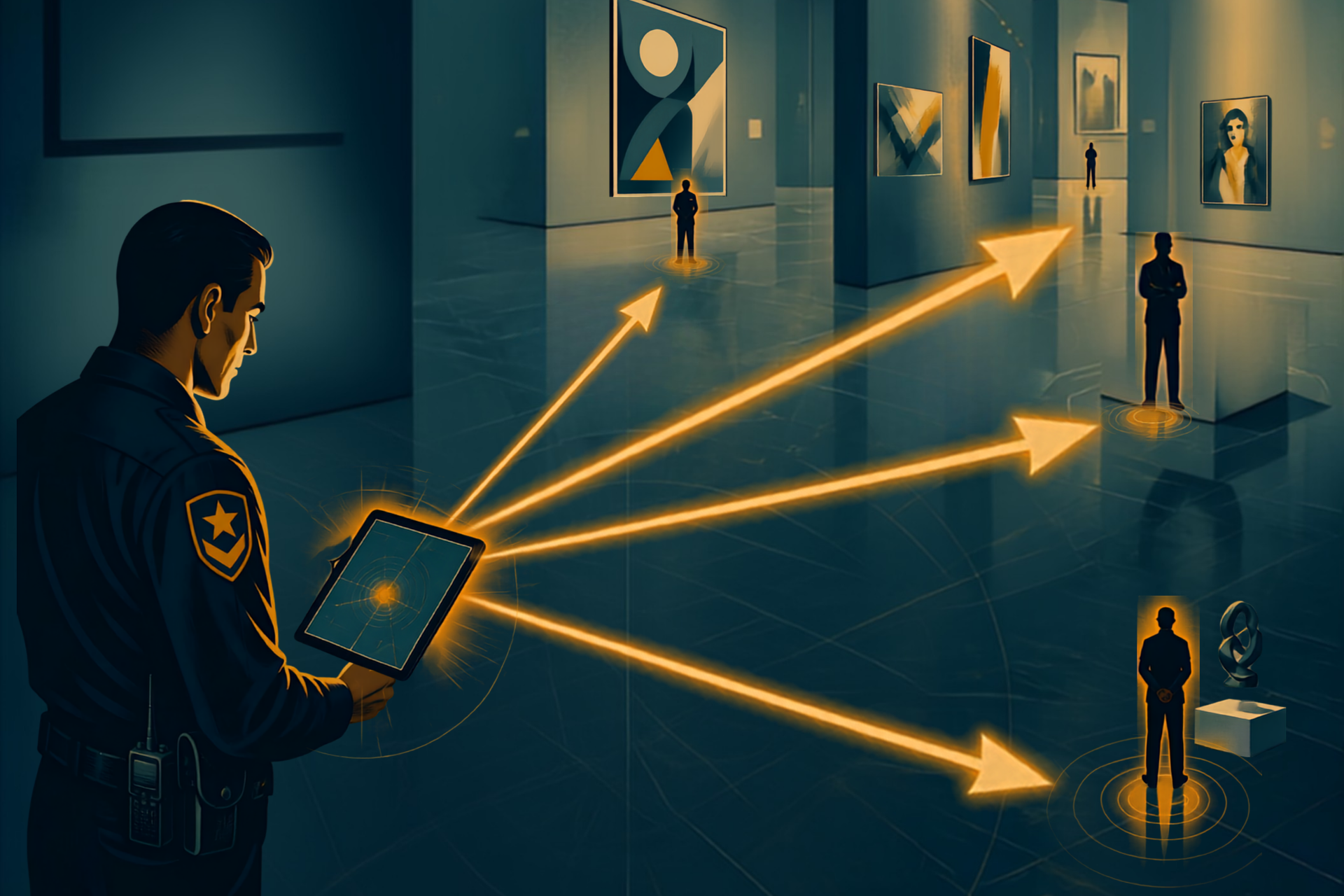
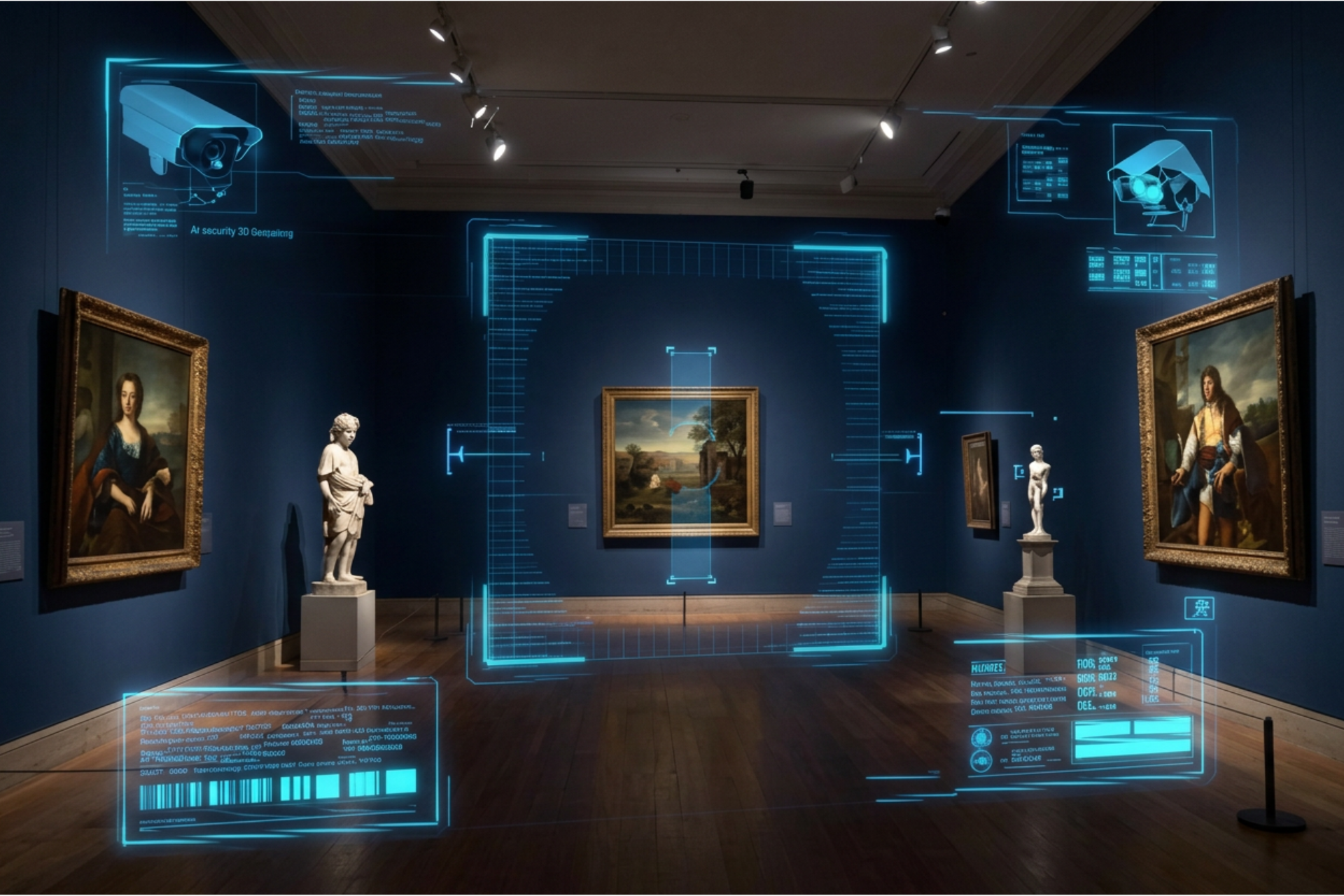
Art Sentry uses cameras and AI video analytics to create adjustable virtual protection zones, sometimes called virtual barriers, around individual works. When gallery configurations change, staff can remap those zones rather than rebuilding a physical boundary.
Zone design requires care. A boundary that is too tight may provide little time to prevent contact. One that is too broad may trigger during normal viewing and create nuisance alerts. Lighting, reflections, shadows, moving elements, and nearby circulation should be tested under real gallery conditions. During its first phase, a large southwest art museum installed 95 cameras protecting more than 200 objects, carefully evaluated lighting and shadows to reduce false alarms, and deliberately started with permanent collection galleries because “they changed less.” It has since expanded to more than 420 objects.
AI can remove nuisance alarms without hiding real events. At a historic estate museum, Sentry Intelligence reduced the false alarm rate on its most challenging cameras from 37 percent to zero, while touch alarms continued at the same rate as before, 0.2 per day. At another museum, alarms triggered by activity outside the protection zone fell from about 22 per day to none.
How Does Art Sentry Respond When a Visitor Gets Too Close?
Detection alone does not protect an object. The system must trigger an appropriate response. In the Art Sentry system an automated voice message asks a visitor to step back at the moment of encroachment. At the same time, an alert with video reaches gallery staff or the command center. Staff can then decide whether the prompt resolved the event or whether personal intervention is required.
At the Detroit Institute of Arts (DIA), virtual zones paired with video monitoring gave guards greater confidence that activity would be detected while they patrolled elsewhere. The museum also used incident records to identify hotspots and respond with measures such as revised signage or different staff deployment.
Learn from Every Event
 Documentation helps an institution move from isolated alarms to collection intelligence. Repeated alerts may reveal that a label encourages visitors to lean, an object sits too close to a traffic path, or a display creates confusing visual cues. Data can support conversations among security, conservation, curatorial, exhibition-design and visitor-services teams.
Our anonymous Southwest art museum case study describes this kind of cross-departmental use. Security staff reviewed camera information with curatorial and collections colleagues to discuss display decisions and object-placement alarms. The Southwest Museum also equipped gallery attendants with tablets for real-time response and planned to streamline reporting to conservation and curatorial teams.
The Dallas Museum of Art uses detection data the same way. When a touch is detected, video goes to the appropriate museum teams so conservators can evaluate the object, rather than a touch going unnoticed for months. Proximity alarms can also reveal when an exhibition layout itself is the problem, such as two objects placed so close together that visitors cannot keep a safe distance from both. As Ken Bennett, the DMA’s Chief Security and Operations Officer, put it: “If it could inform exhibition design and construction and placement to some degree, it could be helpful.
 Questions to Ask About Any Object Protection System
A museum object protection system should answer several questions:
- What behavior is detected?
- How quickly is the visitor prompted?
- Who receives the alert?
- What evidence is retained?
- How are serious events escalated?
- How are recurring patterns reviewed?
- Clear answers prevent the technology from becoming another disconnected alarm source.
Intelligent response does not mean treating every encroachment as a threat. It means matching the response to the event. Many incidents end with a courteous automated reminder. Others require a guard’s judgment, an incident report or a conservation review. When detection, communication, response and documentation operate as one workflow, museums can protect objects while preserving the close, meaningful encounters that bring visitors into galleries.
Frequently Asked Questions About Museum Object Protection
How do museums stop visitors from touching art?
Museums use a combination of cases, distance, signage, guards and technology. Camera-based systems such as Art Sentry detect when a visitor enters a defined zone around a work, play a courteous voice reminder in the moment and alert staff with video so they can decide whether to step in.
What is a virtual barrier in a museum?
A virtual barrier is an invisible protection zone around an artwork created with cameras and video analytics. It replaces or supplements ropes, stanchions and floor tape, detecting encroachment without placing a visible boundary in the gallery.
Do virtual barriers replace cases or physical barriers?
Not always. Cases and physical barriers remain appropriate for especially fragile or high-risk objects. Virtual protection zones are most useful for works on open display, in tight or historic spaces, and where museums want to preserve sightlines.