 Museum directors, chief technology officers, security directors and collections leaders approach risk from different responsibilities. A modern security strategy must connect those perspectives without blurring ownership or assuming that one platform can manage every threat.
Art Sentry is a museum security technology company focused on object protection: we help museums protect displayed objects and improve awareness inside galleries. Art Sentry has focused on the museum market since 2005 and protects collections at more than 25 percent of the top art museums in the United States, including the Detroit Institute of Arts, the Dallas Museum of Art, the Toledo Museum of Art, the Taft Museum of Art, the Butler Institute of American Art and the Montgomery Museum of Fine Arts.
The American Alliance of Museums describes risk management as an institution-wide activity that includes building and site security, visitor services, storage, hazardous materials and insurance. AAM also calls for museums to identify risks accurately and allocate resources where they will reduce risk most effectively. For experienced leaders, the important reminder is not that these functions exist. It is that their dependencies, responsibilities and escalation paths must remain clear.
The Smithsonian Institution Office of Protection Services describes its mission in similarly broad terms: protecting staff, visitors and national collections. International Council of Museums resources also treat museum security as a field encompassing collection security, building security, alarm systems, fire protection, personnel, training and disaster preparedness.
Although museum executives know the principal layers of protection, gaps often appear between them. Guards, visitor-services staff, facilities teams, registrars, conservators, curators and leadership see different parts of the risk picture. Written procedures establish responsibility for keys and credentials, deliveries, gallery opening and closing, incident documentation and emergency response. Training and regular review reveal whether those handoffs work in practice.
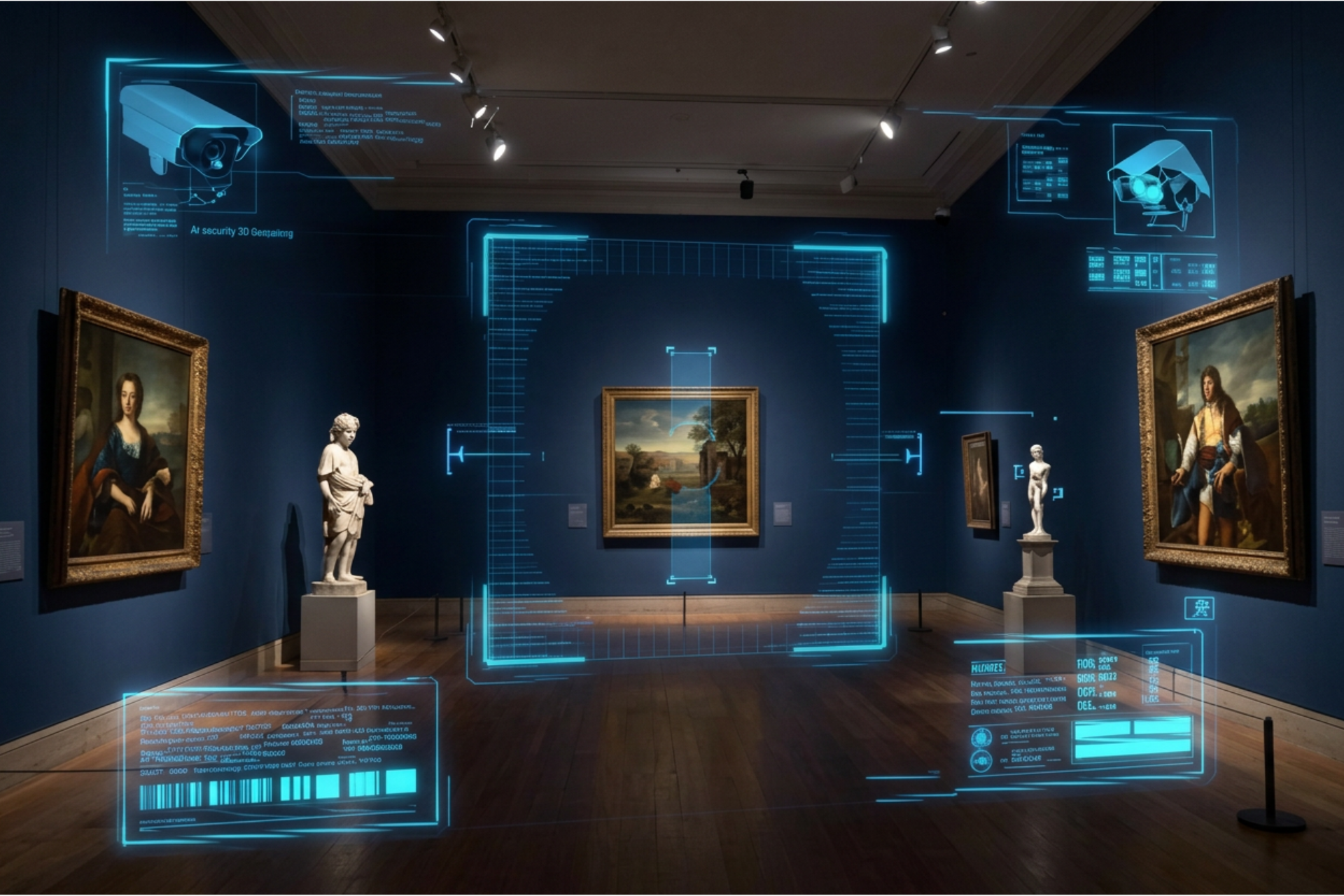
Building and perimeter controls address entrances, restricted areas, loading zones, roofs, parking areas and the physical envelope. Access control, intrusion detection, locks, lighting and video surveillance support awareness and investigation. Fire detection, environmental monitoring and emergency planning address hazards that may damage a collection without involving criminal activity. The strategic issue is how an alert moves from one system to the right person with enough context to act.
Collection protection narrows the focus to individual objects and displays. Cases, mounts, glazing, physical distance and gallery rules reduce risk. Works on open display, however, remain exposed to touching, leaning and accidental contact, a common source of day-to-day damage that building-level systems are not designed to catch.
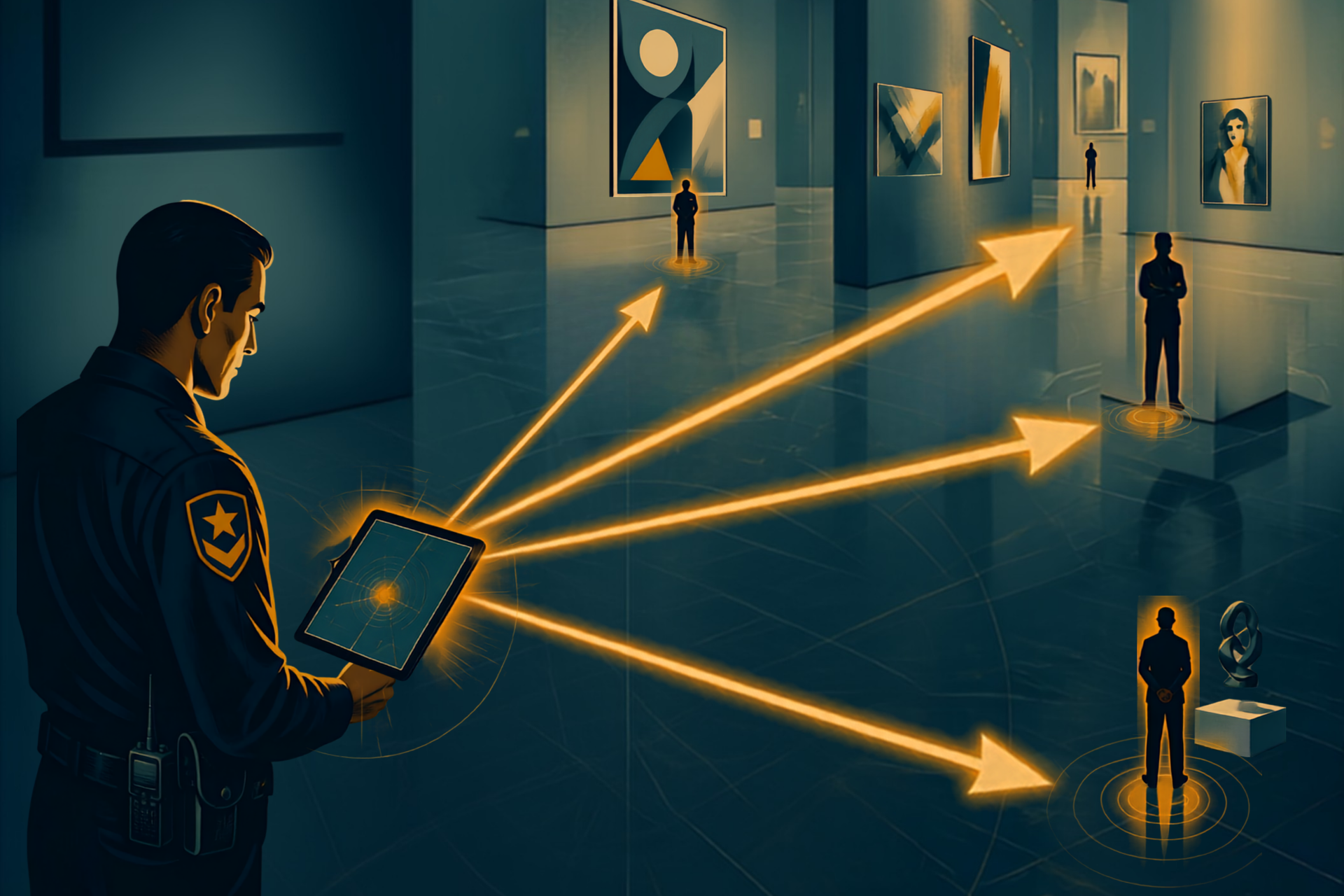
Art Sentry’s camera-based virtual protection zones (sometimes called virtual barriers) can add real-time detection around open displays, issue an audible reminder and send staff an alert with video for assessment. The technology can serve as an object-protection layer alongside an existing video system or as part of a broader video platform, depending on the installation.
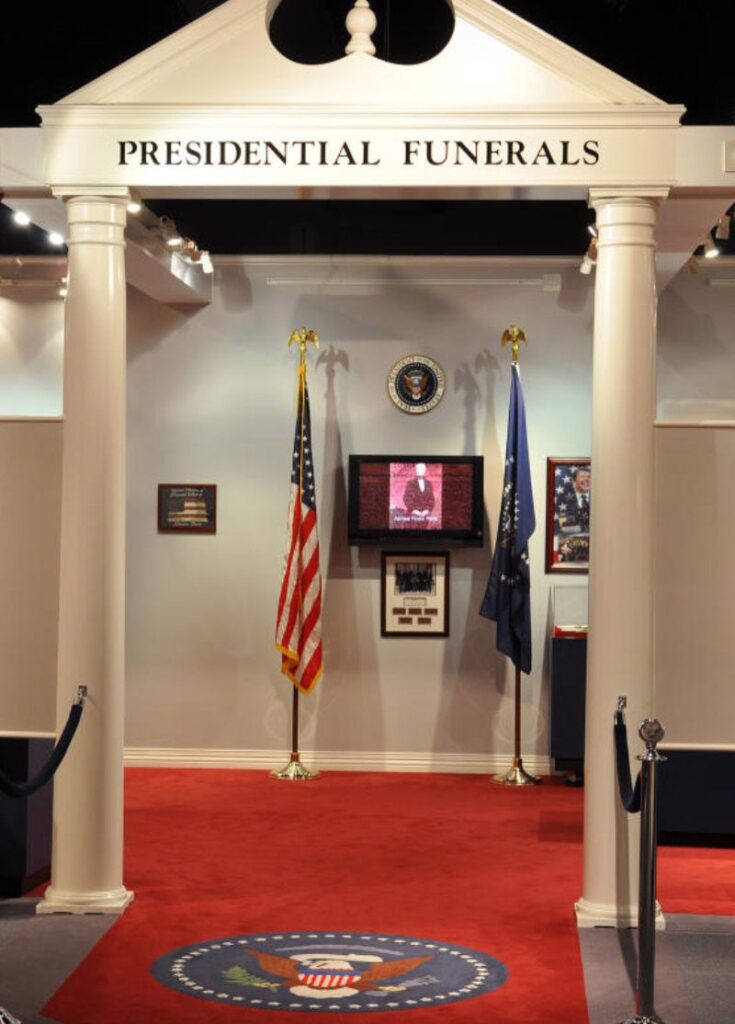 The National Museum of Funeral History illustrates the need to look beyond one component. Its 35,000-square-foot facility contains papal and presidential material, funeral artifacts and high-interest exhibits such as the Popemobile. Consumer-grade cameras were no longer adequate as the collection and attendance grew. The museum needed clear real-time video, alerts near valuable exhibits, indoor and outdoor coverage and remote monitoring for leadership.
The combined system Art Sentry installed (high-resolution cameras, invisible protection zones around exhibits such as the Popemobile and papal vestments, audio warnings, parking-lot license plate capture and remote access) did not make every other control unnecessary. It connected detection to response and expanded oversight across the property; CEO Bob Boetticher can monitor live video from his office 30 miles away. “The system works great,” he said. “It does exactly what we were told it would do when we bought it—you don’t get to say that very often.”