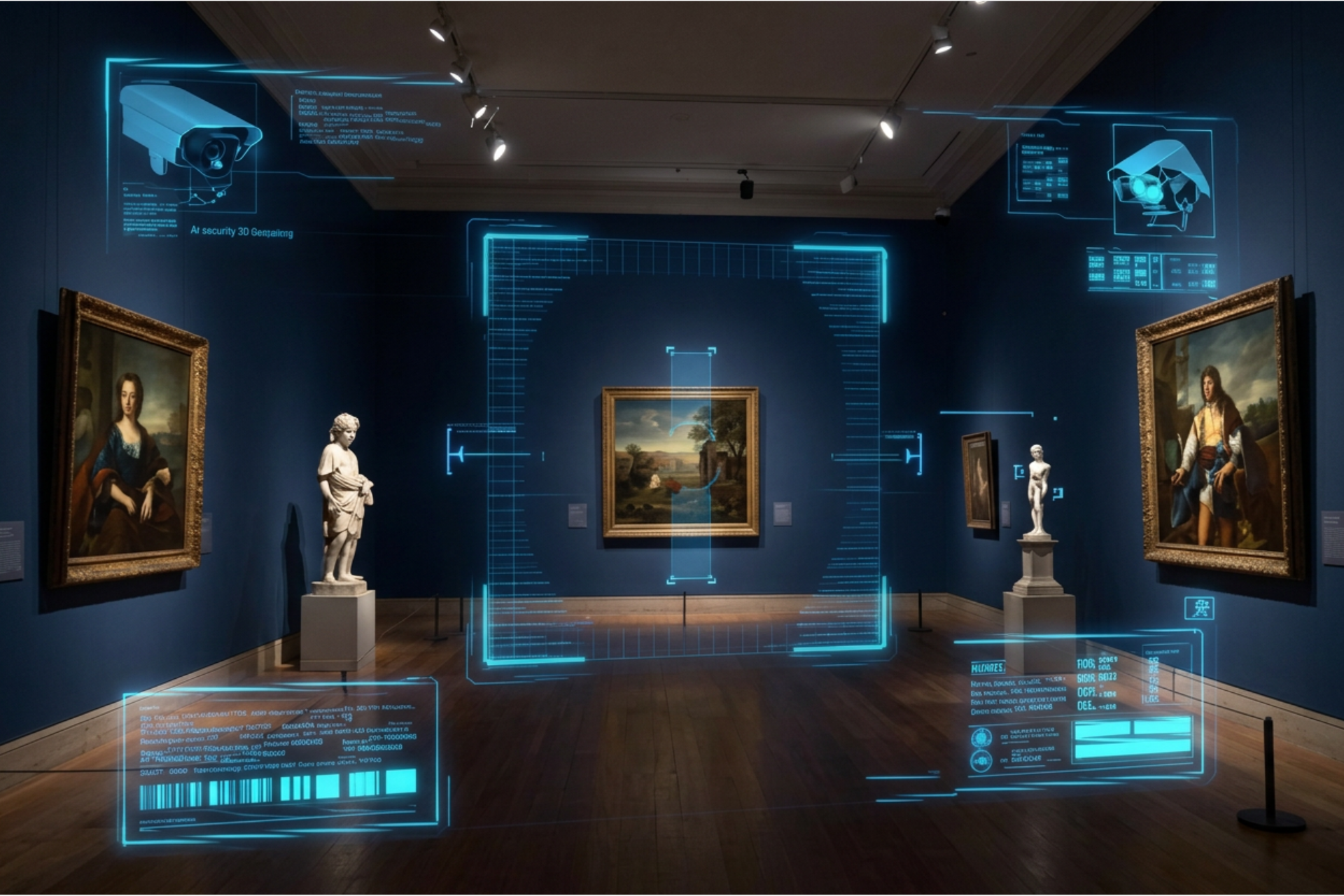
 Technology is shifting the museum security officer’s role from constant visual scanning toward assessment, response, and visitor engagement. AI video analytics can watch defined areas around artworks and alert officers to possible problems, while officers keep responsibility for judgment, de-escalation, visitor assistance, and emergency response.
Museum security officers protect collections, but their work also affects how welcome, informed, and comfortable visitors feel.
Working with security teams at museums including the Detroit Institute of Arts, the Dallas Museum of Art, and the Montgomery Museum of Fine Arts, Art Sentry has found that technology helps most when it improves awareness and handles some repetitive monitoring tasks. Our goal is not to remove people from museum security. It is to give trained professionals better information and more time for responsibilities that require judgment.
Continuous gallery observation is demanding. A guard may need to watch several visitors and objects, answer questions, assist someone who appears unwell, and notice a facility problem at the same time. Blind corners and changing crowd patterns add difficulty. Cameras can extend visibility, but ordinary video still depends on someone noticing the relevant activity.
Technology is shifting the museum security officer’s role from constant visual scanning toward assessment, response, and visitor engagement. AI video analytics can watch defined areas around artworks and alert officers to possible problems, while officers keep responsibility for judgment, de-escalation, visitor assistance, and emergency response.
Museum security officers protect collections, but their work also affects how welcome, informed, and comfortable visitors feel.
Working with security teams at museums including the Detroit Institute of Arts, the Dallas Museum of Art, and the Montgomery Museum of Fine Arts, Art Sentry has found that technology helps most when it improves awareness and handles some repetitive monitoring tasks. Our goal is not to remove people from museum security. It is to give trained professionals better information and more time for responsibilities that require judgment.
Continuous gallery observation is demanding. A guard may need to watch several visitors and objects, answer questions, assist someone who appears unwell, and notice a facility problem at the same time. Blind corners and changing crowd patterns add difficulty. Cameras can extend visibility, but ordinary video still depends on someone noticing the relevant activity.
How Does Technology Act as a Force Multiplier for Museum Guards?
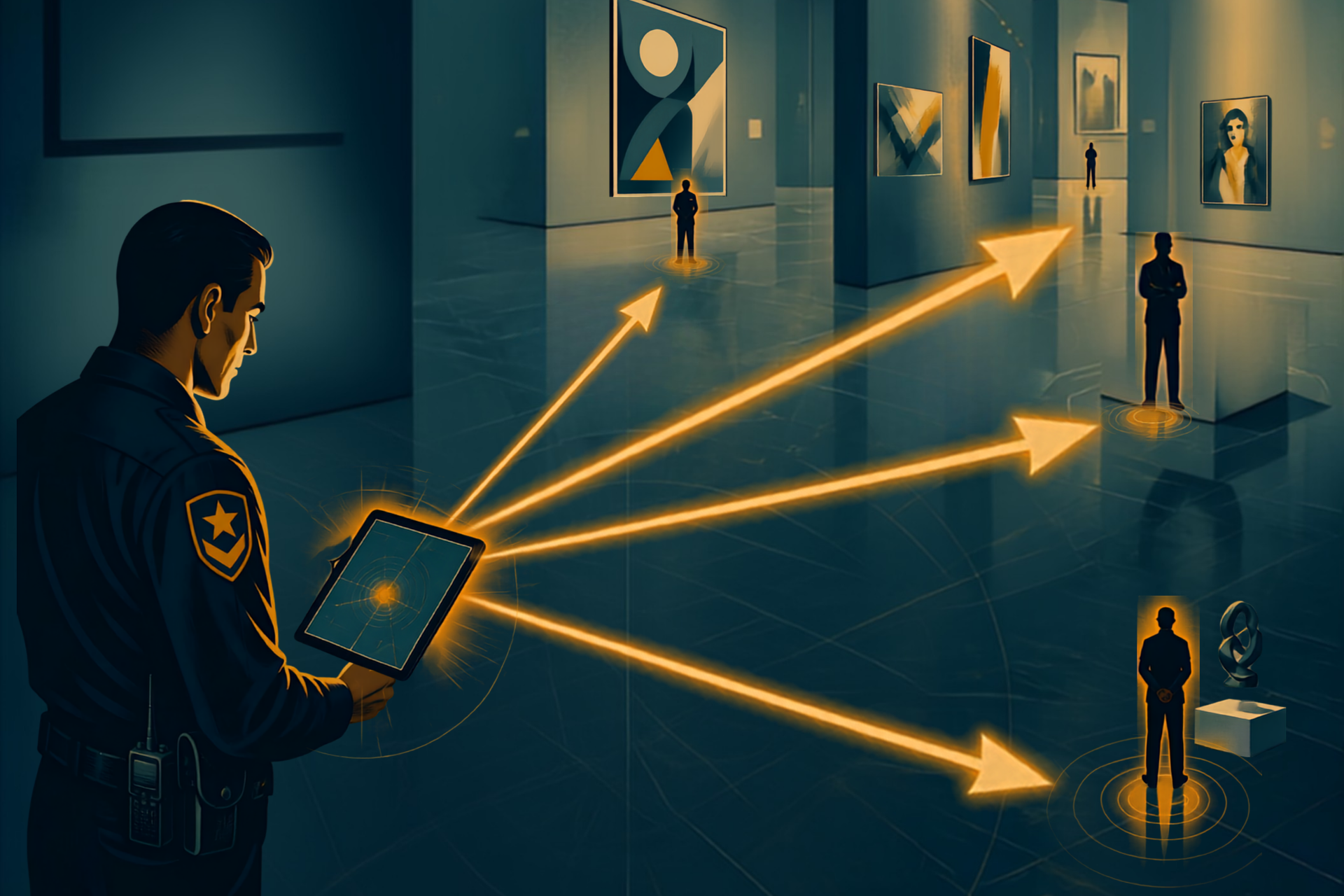
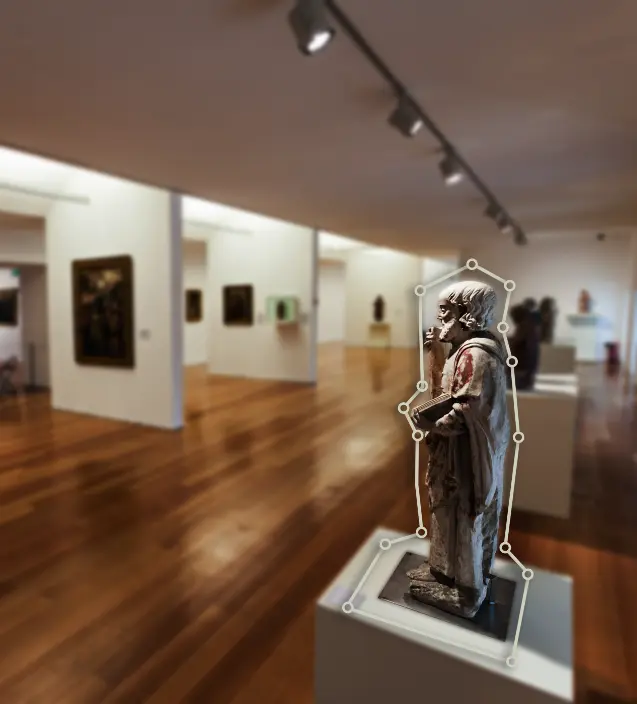
 Art Sentry’s virtual protection zones can monitor defined areas around displayed works and flag a possible encroachment. A voice prompt may correct the behavior immediately, while the guard or control room receives an alert and video context. The first step changes from constant visual scanning to assessment: Is the visitor already moving away? Is staff assistance needed? Does the event indicate an intentional act or an innocent mistake?
That shift only works if officers trust the alerts. A system that cries wolf trains staff to ignore it. At one art museum, Art Sentry’s Sentry Intelligence AI cut daily alarms on its most challenging cameras from 37 to about one, and false alarms fell from 59 percent to zero, so the remaining alerts were the ones worth responding to.
At the Montgomery Museum of Fine Arts, automated initial correction reduced the need for guards to confront visitors. Museum leadership reported that security complaints became rare, while guards gained time to watch for facility issues, trafficking concerns and visitor well-being. The museum also found that experienced guards could learn and take pride in the new system when it provided training and support.
At the Detroit Institute of Arts, Director of Protection Services Eric Drewry described the same shift: “Now they can go on patrol and feel confident that the cameras will catch anything that happens when they’re not in the room.” One DIA security officer, Tim Main, put it more simply: “The system is like having multiple guards in the gallery at once.”
Art Sentry’s virtual protection zones can monitor defined areas around displayed works and flag a possible encroachment. A voice prompt may correct the behavior immediately, while the guard or control room receives an alert and video context. The first step changes from constant visual scanning to assessment: Is the visitor already moving away? Is staff assistance needed? Does the event indicate an intentional act or an innocent mistake?
That shift only works if officers trust the alerts. A system that cries wolf trains staff to ignore it. At one art museum, Art Sentry’s Sentry Intelligence AI cut daily alarms on its most challenging cameras from 37 to about one, and false alarms fell from 59 percent to zero, so the remaining alerts were the ones worth responding to.
At the Montgomery Museum of Fine Arts, automated initial correction reduced the need for guards to confront visitors. Museum leadership reported that security complaints became rare, while guards gained time to watch for facility issues, trafficking concerns and visitor well-being. The museum also found that experienced guards could learn and take pride in the new system when it provided training and support.
At the Detroit Institute of Arts, Director of Protection Services Eric Drewry described the same shift: “Now they can go on patrol and feel confident that the cameras will catch anything that happens when they’re not in the room.” One DIA security officer, Tim Main, put it more simply: “The system is like having multiple guards in the gallery at once.”
Why Security Officers Remain Essential
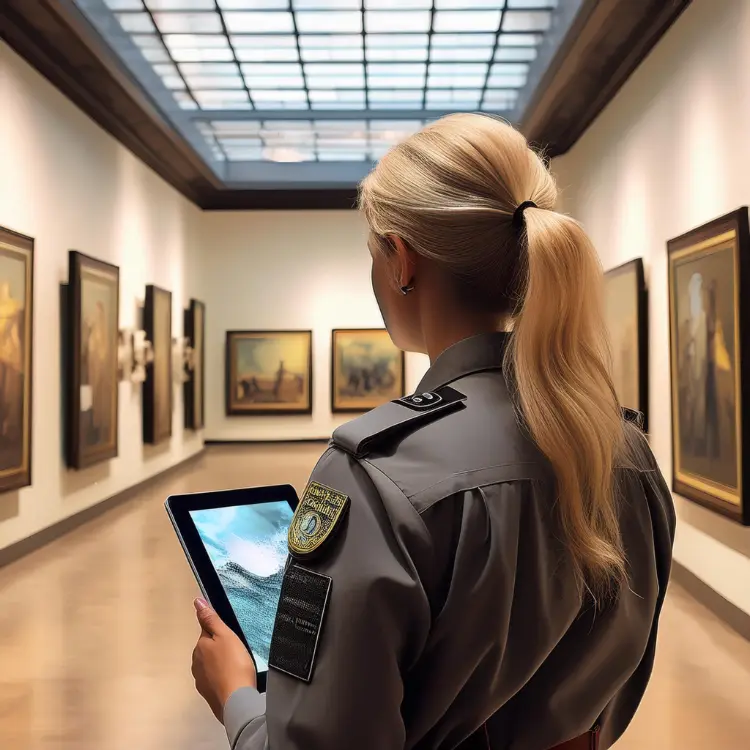
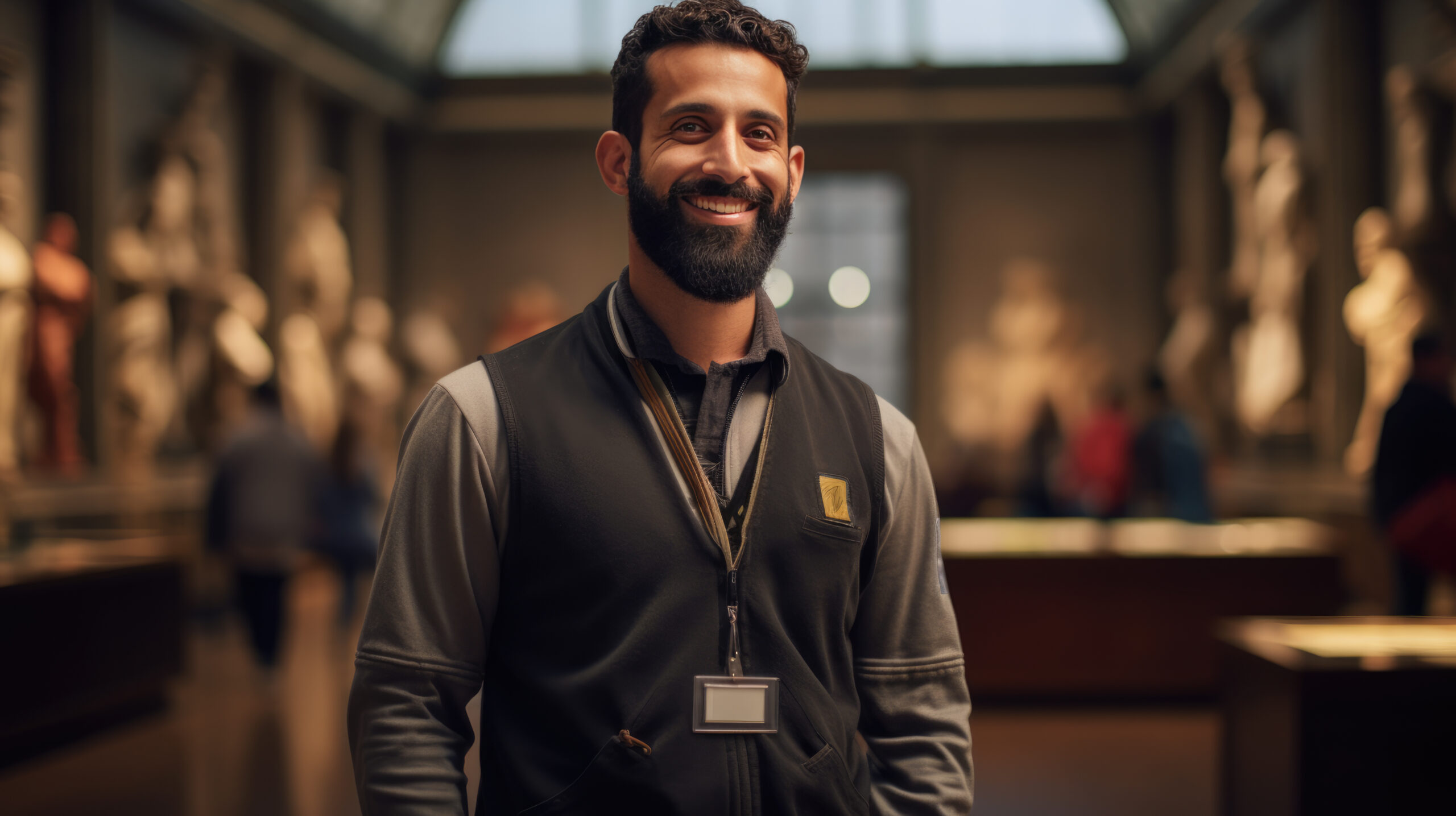
No automated alert understands the full human situation. Guards decide how to approach a child, assist a confused visitor, manage a medical concern, de-escalate conflict, and coordinate an emergency response. They also recognize patterns across galleries and contribute observations that technology may not capture. We design technology to direct attention, not assume authority over consequential decisions. Art Sentry customers have taken similar steps. At one leading American art museum, security officers were renamed visitor engagement representatives, given iPads showing every camera on their posts, and paid a higher wage for broader duties that include answering questions about the collection. At the Dallas Museum of Art, Chief Security and Operations Officer Ken Bennett describes moving away from “drive-by enforcement” toward conversations that explain why a boundary exists. “Anytime you can reduce conflict without compromising your mission,” he said, “that’s a good day.”From Patrol Activity to Better Operations
 Technology can also strengthen investigations and planning. Alert histories and incident video help teams document what occurred, identify recurring locations and discuss changes with conservation, curatorial, and facilities staff. Mobile access can help guards respond from the gallery floor rather than waiting for instructions relayed from a control room. Managers can use patterns in the data to adjust posts, signage, display placement or training.
In addition, technology should therefore be evaluated partly by whether it helps guards deliver fair, informed, and proportionate interactions. Our goal is to help guards concentrate on the work only people can do while giving museum leaders better operational information.
Technology can also strengthen investigations and planning. Alert histories and incident video help teams document what occurred, identify recurring locations and discuss changes with conservation, curatorial, and facilities staff. Mobile access can help guards respond from the gallery floor rather than waiting for instructions relayed from a control room. Managers can use patterns in the data to adjust posts, signage, display placement or training.
In addition, technology should therefore be evaluated partly by whether it helps guards deliver fair, informed, and proportionate interactions. Our goal is to help guards concentrate on the work only people can do while giving museum leaders better operational information.
Frequently Asked Questions
Will AI replace museum security guards?
No. AI video analytics can take over repetitive monitoring, such as watching the space around individual artworks, but it cannot assess intent, assist a visitor, manage a medical issue or coordinate an emergency. Systems like Art Sentry direct officers’ attention; trained officers remain responsible for decisions and action.How does technology change guard deployment?
Alert histories show where and when incidents occur, so managers can adjust posts, patrol routes, and staffing by gallery and time of day. At the Dallas Museum of Art, Art Sentry will cover roughly 1,300 permanent collection objects; the museum estimates matching that with people alone would take “30, 35, 40 gallery attendants.”What training do officers need for AI security technology?
Officers need training on how alerts arrive, how to review video context, when to intervene in person, and how to talk with visitors about why distance protects art. At the Montgomery Museum of Fine Arts, experienced guards adopted the system quickly when they received training and support.