 Can museums protect art without ropes or stanchions? For many works, yes. Camera-based virtual protection zones can detect when a visitor gets too close, deliver an automated voice reminder and alert staff, all without placing a visible boundary in the gallery. Physical barriers remain the right choice for some especially fragile or high-risk objects.
Museum security works best when visitors can concentrate on the collection rather than the controls around it.
Physical barriers still have a place, especially for unusually fragile or high-risk objects. But ropes, rails and floor markings can interrupt sightlines, complicate circulation and create the impression that some objects matter more than others.
In Art Sentry’s experience protecting museum collections since 2005, a better approach begins with assessing the risk around each object and then selecting the least intrusive protection that can manage it.
That balance reflects the American Alliance of Museums standards. AAM expects museums to protect people, collections, objects and facilities while also providing physical and intellectual access and meeting visitors’ needs. Protection and access are therefore connected responsibilities, not competing missions.
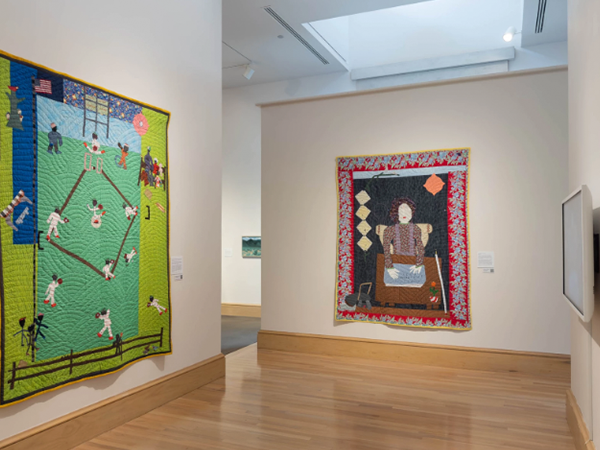 A stanchion establishes distance, but it cannot interpret behavior or tell staff what happened. It may also be impractical in narrow galleries, historic buildings or spaces designed for close looking. A large Southwest art museum Art Sentry encountered another drawback: using tape lines around selected works suggested to visitors that unmarked works required less care. “When you put tape lines on some pieces but not others,” the museum’s security director explains, “you’re telling visitors that some art isn’t important enough to protect.” The museum wanted a more consistent method across a large, free-admission institution serving more than 600,000 visitors a year.
The Montgomery Museum of Fine Arts in Alabama faced a different version of the same problem. Blind corners, columns, and tucked-away spaces made direct observation difficult. Guards sometimes had to follow visitors into galleries, which could feel uncomfortable to both parties. Museum leaders wanted objective monitoring that supported the art, the architecture, and a respectful visitor experience. “We wanted to protect the art without our staff having to be the antagonist in the story,” said India Wilson, Head of Operations.
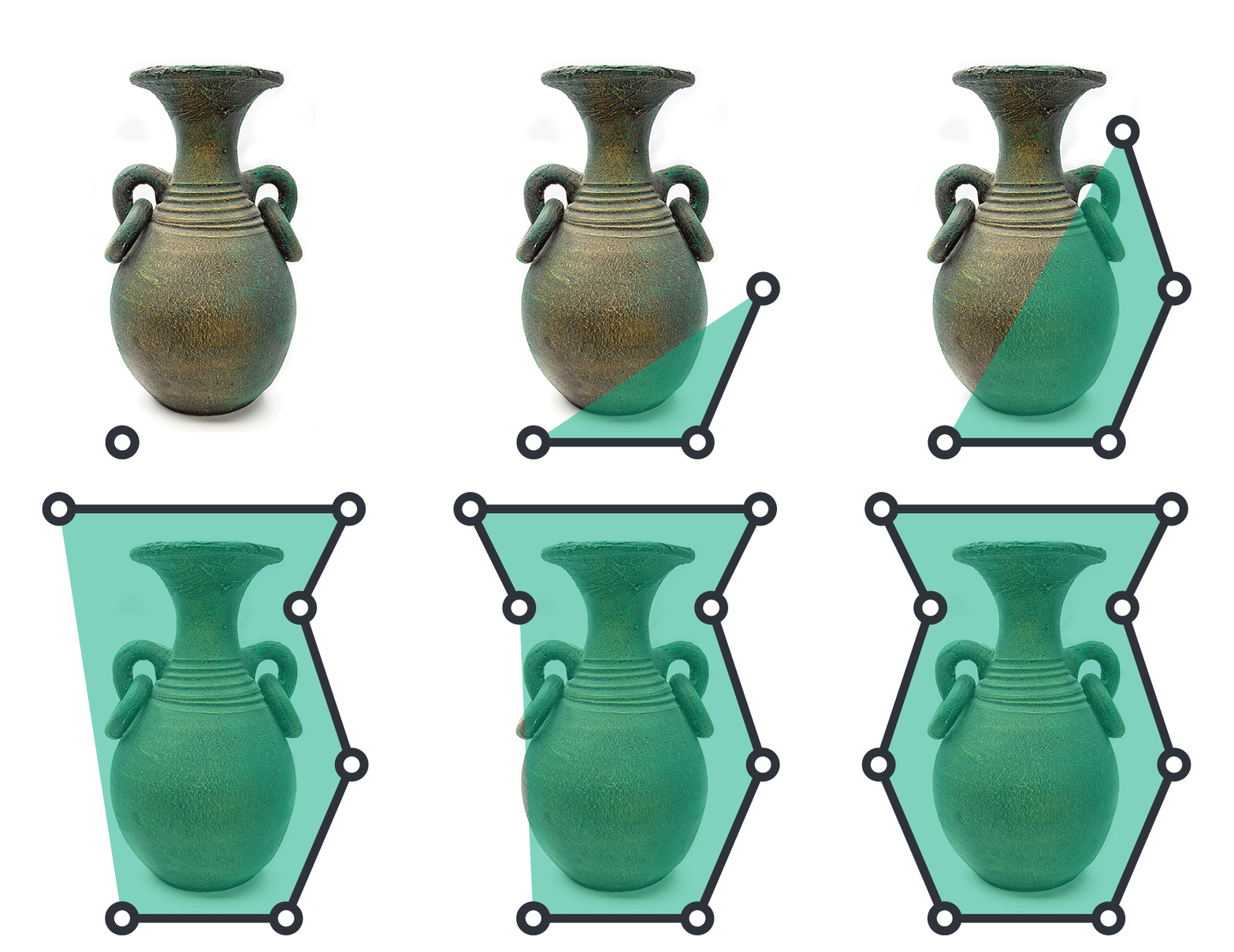
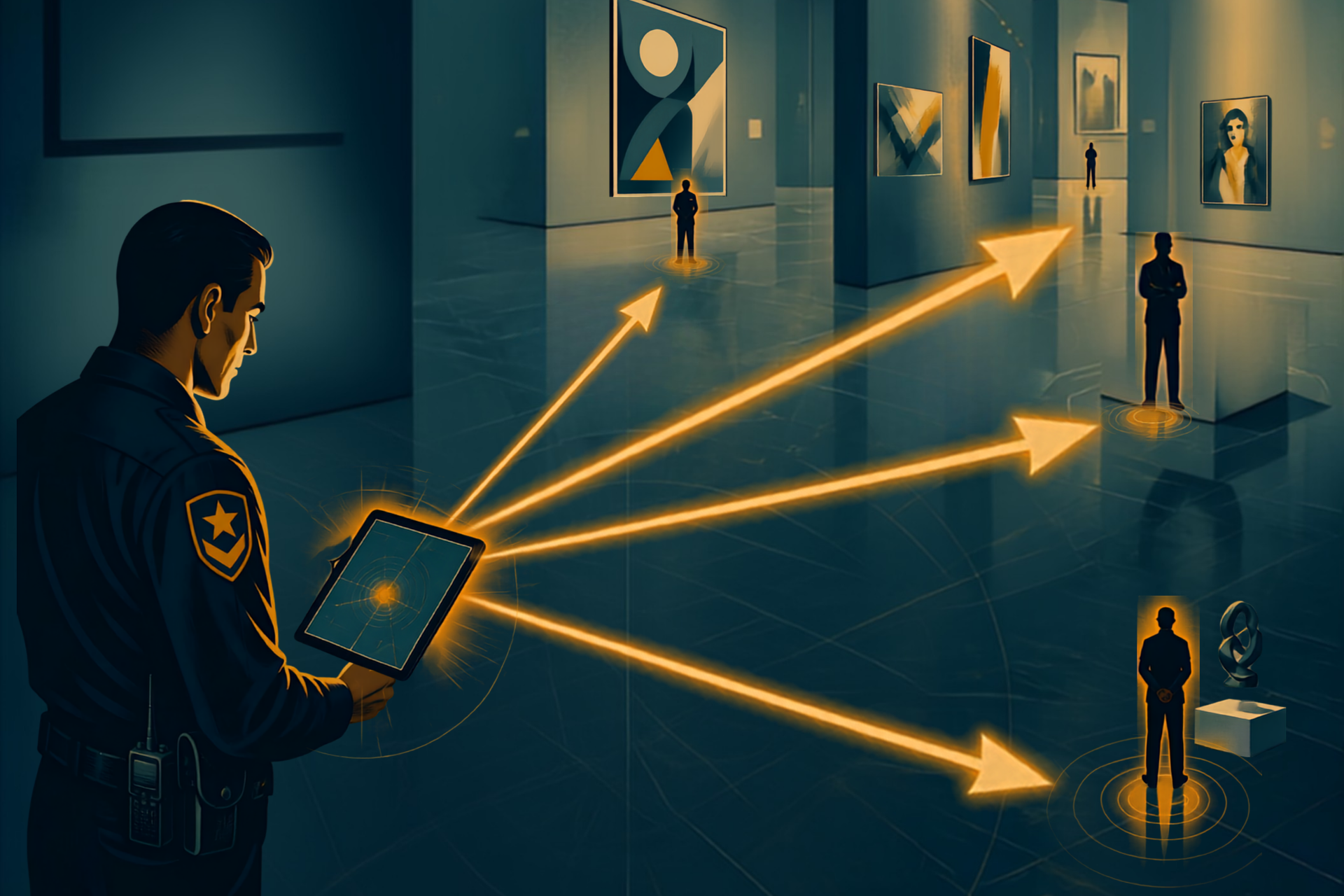
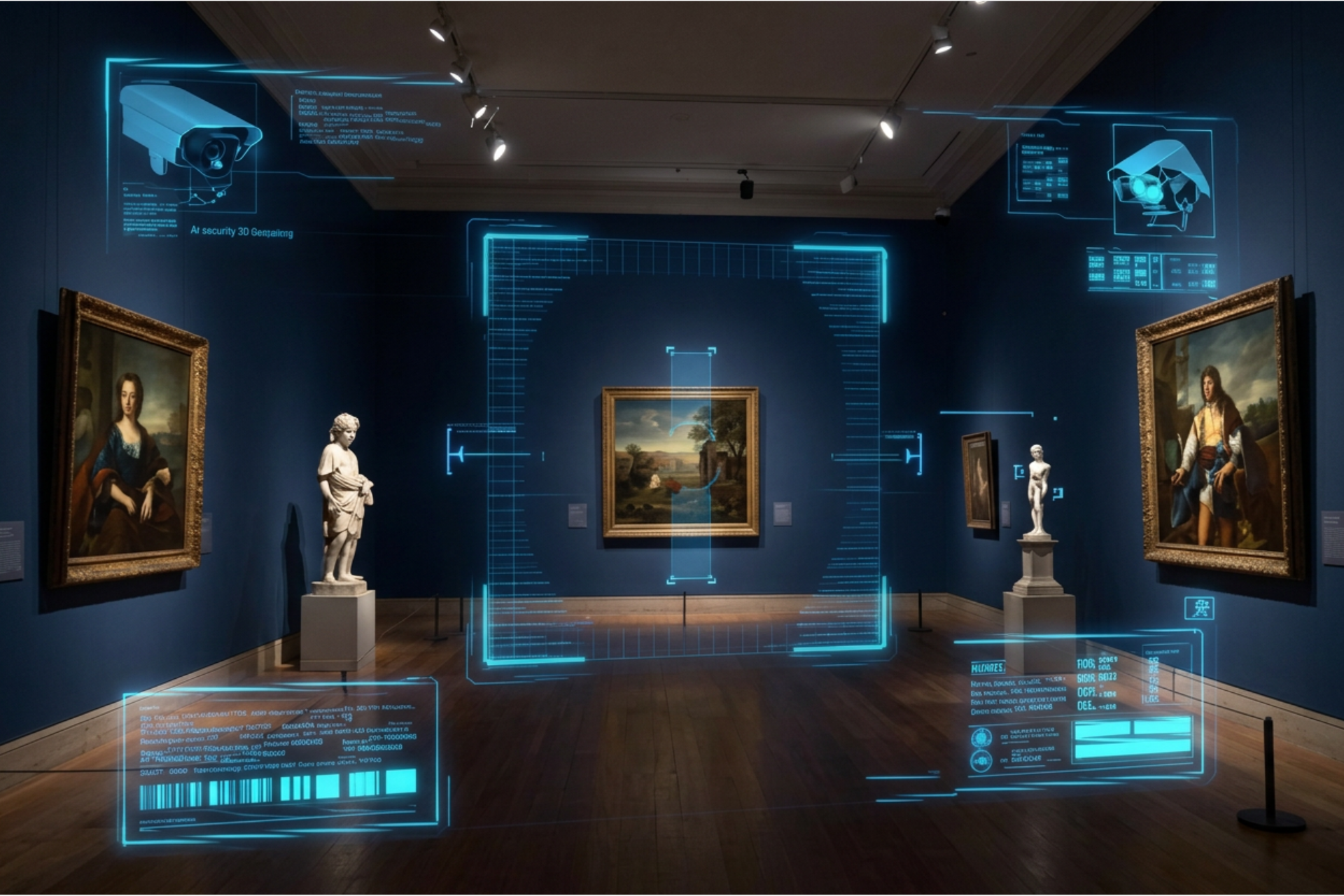
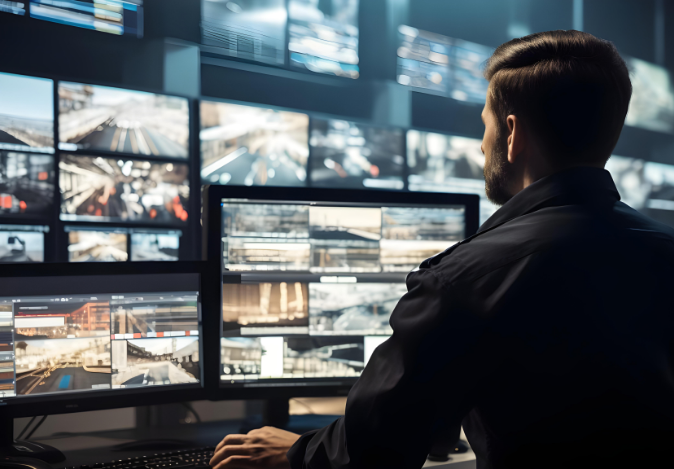
Art Sentry’s camera-based object protection establishes virtual protection zones around individual works without placing a visible boundary on the floor. When someone enters a defined zone, an automated voice prompt can provide an immediate, consistent reminder. At the same time, staff can receive an alert and review the associated video before deciding whether personal intervention is necessary.
We connect detection, audible correction, and staff notification. That process supports a museum’s broader security program rather than replacing it.
The first response matters. A neutral prompt can resolve an innocent mistake before a guard must approach. If the behavior continues or the incident presents a greater risk, trained personnel remain responsible for judgment and action. At the Southwest Museum, staff began treating alerts as opportunities to explain why distance helps preserve art. The Montgomery Museum of Fine Arts reported that complaints about security interactions dropped dramatically. “It used to be that feedback cards would call out our team,” Wilson said. “Now we are rarely mentioned,” after automated prompts handled more of the initial correction.
At another leading art museum, a five-month exhibition drew nearly 150,000 visitors with Art Sentry in place. Its director of protective services reported: “For the first time, we had zero complaints of guests feeling uncomfortable due to security officers watching or hovering near them.”
Technology should make security less distracting, not more visible. Museums still need clear policies, trained staff, emergency procedures and physical controls where the risk warrants them. Intelligent object protection adds a discreet layer that can extend observation into blind spots and help staff respond consistently.
“At the Toledo Museum of Art, part of our vision statement is that we strive to create a ‘culture of belonging.’ To me that means, when people visit our museum, they feel free to enjoy their time without the perception of being followed by security.” — Risa Smith, Director of Protective Services, Toledo Museum of Art
An open approach also preserves the human side of the visit. A 2024 American Alliance of Museums survey gathered responses from 90,178 museum-goers at 202 participating museums. Visitors who praised staff tended to visit more often and report stronger engagement, while those with negative staff experiences were more critical of the institution overall.
When technology handles routine proximity reminders, guards have more time to answer questions, assist families, watch for safety issues and respond thoughtfully when human judgment is required. The gallery can remain welcoming because protection is present without becoming the dominant feature of the room.
 Are ropes and stanchions still needed in museums?
Sometimes. Physical barriers remain appropriate for unusually fragile or high-risk objects. For many works on open display, virtual protection zones provide consistent protection without interrupting sightlines, complicating circulation or signaling that unmarked works matter less.
Do automated voice prompts disturb other visitors?
Prompts are short, neutral, and triggered only when someone enters a protection zone. Museums can customize the message wording and volume [confirm], so the reminder corrects the behavior without drawing attention to the visitor.