
Art Gallery Protection

Sentry Intelligence Field Results

How AI Reduced False Alarms in Museum Galleries

What the Results Show with Museum Security Alarms

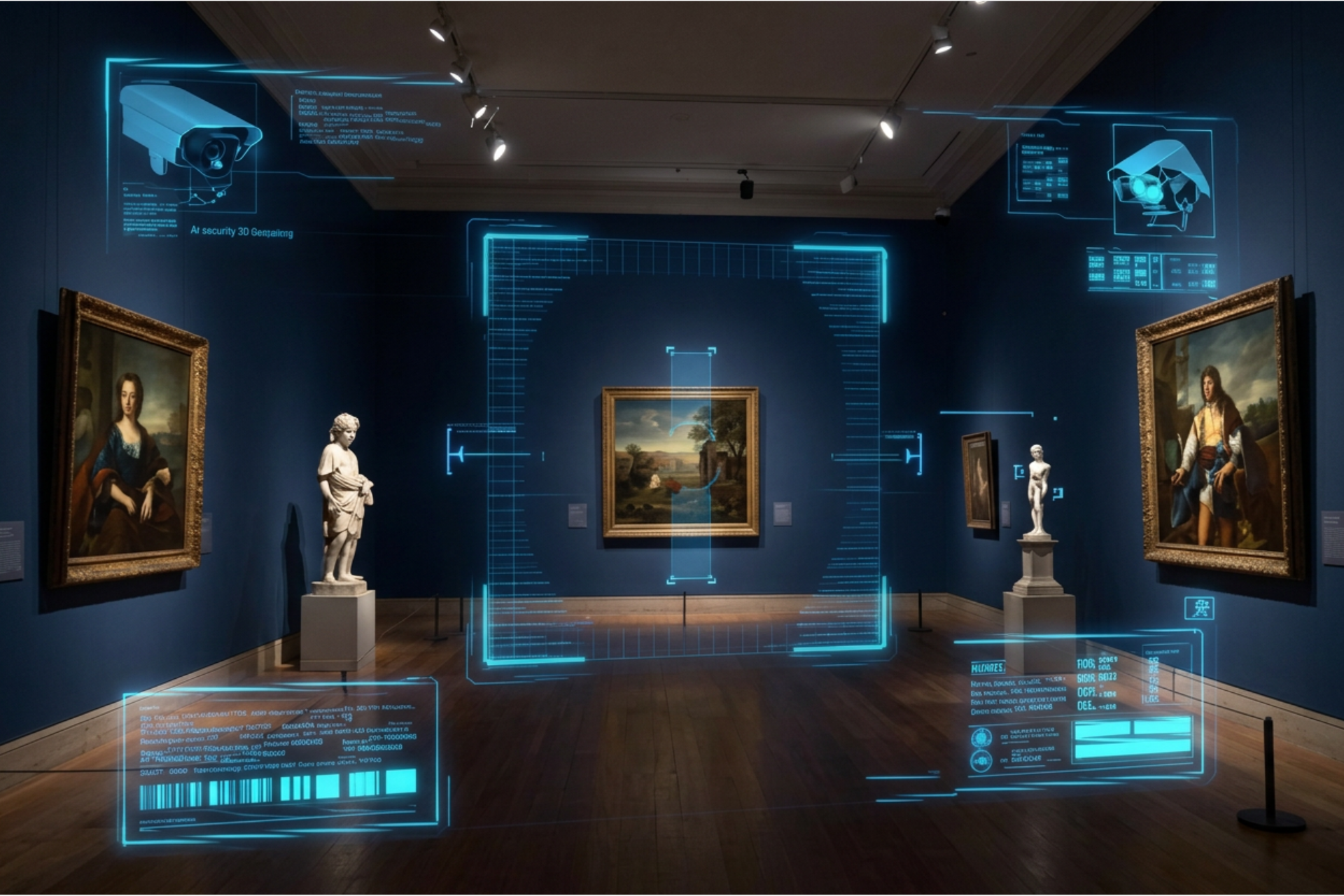
Sentry Intelligence is the AI layer of Art Sentry’s museum object-protection system. It evaluates each alarm from a camera-based protection zone and filters out nuisance events, such as shadows, reflections, changing light, and movement outside the zone, so security staff receive the alerts that matter. In before-and-after measurements at six museums, on the cameras that produced the most nuisance alerts, Sentry Intelligence cut the false alarm rate by more than 70 percent at every site and by more than 90 percent at five of them.

Key Results

  • More than 70% lower false alarm rate at every museum measured before and after, and more than 90% lower at five of six.
  • Up to 25 times fewer false alarms, with alarm precision reaching 8 percent.
  • Zero false alarms during the post-AI measurement period at two museums.
  • 4 percent false alarm rate across 511 events during a week of production use at a contemporary art museum.
  • Real incidents still came through: touch alarms continued at the same rate  while nuisance alarms fell.

Why False Alarms Matter in a Museum


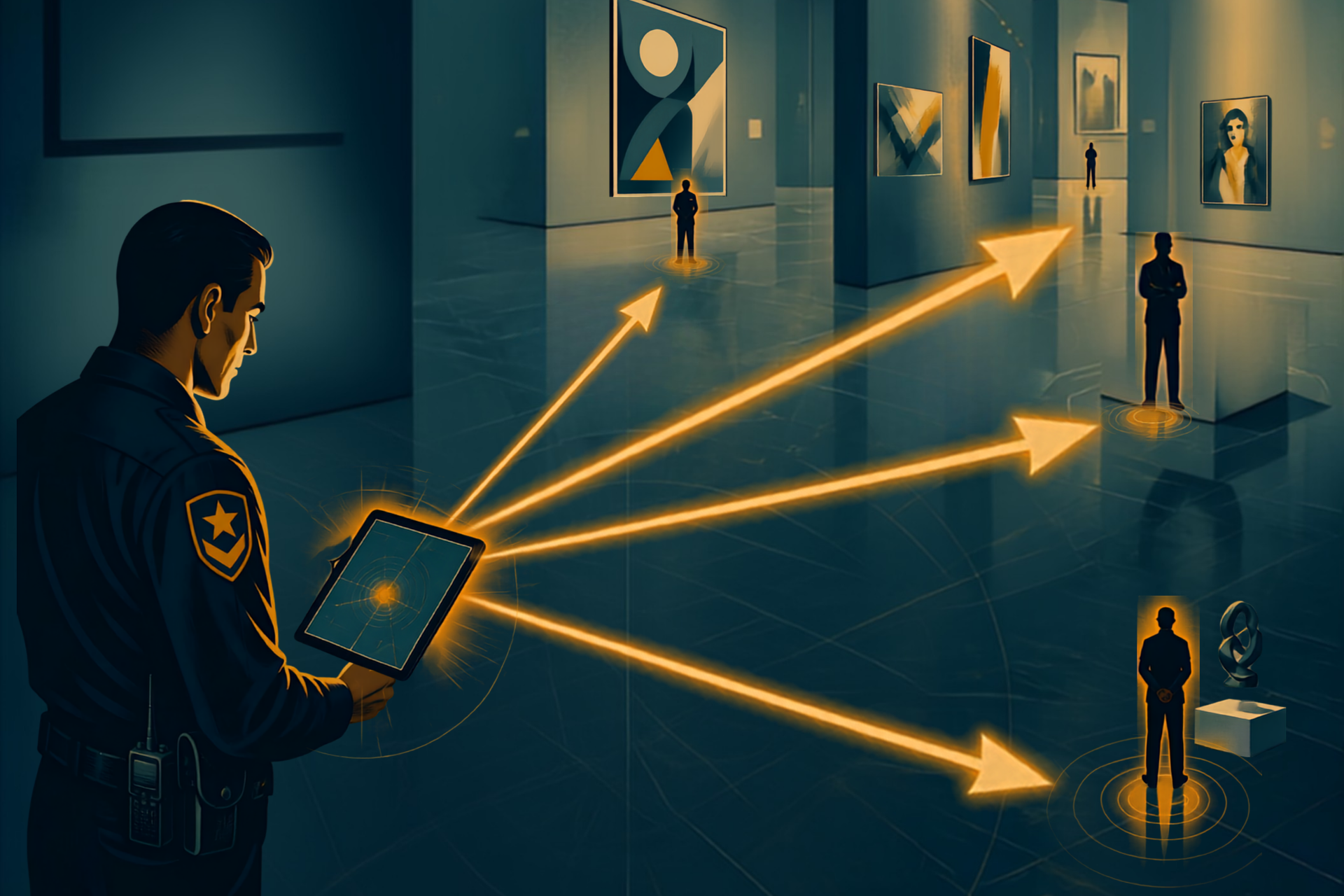
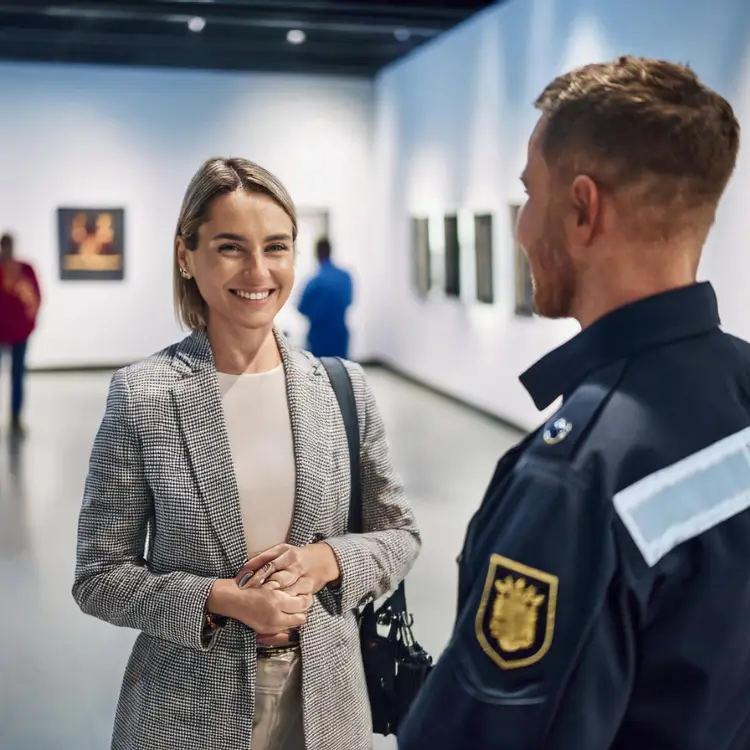
Museum Security Guard watching surveillance video

General security AI analytics struggle in galleries. Daylight shifts through the day, exhibit lighting creates reflections and shadows, visitors pass close to protection zones without entering them, and some artworks move. Each false alert pulls an officer away from the gallery floor or the visitor in front of them. When too many alerts turn out to be nothing, staff learn to ignore them, which is the condition known as alarm fatigue. The goal of Sentry Intelligence is to keep the real events and remove the noise.
What Sentry Intelligence Does, and What It Does Not Do

Insights-driven security helping museums maintain openness while reducing friction.Much of today’s concern about AI centers on AI agents: software that can act on its own by sending messages, changing settings, or operating other systems. Sentry Intelligence is not an AI agent. It is a machine-learning model that makes one narrow decision: whether activity detected in a protection zone is a genuine event that should become an alarm, or a nuisance trigger, such as a shadow, reflection, or movement outside the zone, that should not.

What it does

  • Decides, for each detection, whether it should be raised as an alarm, so real events reach security staff and nuisance triggers do not.
  • Improves through measured tuning to each museum’s gallery conditions.

What it cannot do

  • It cannot take independent action. It does not operate doors, locks, lighting or other building systems. 
  • It cannot change system settings, protection zones or alert rules on its own; museum staff control those.
  • It does not contact visitors, staff or outside parties, and it does not generate text, images or conversation. It is not a chatbot or a generative AI system.
  • It does not decide how anyone responds. Trained security staff make every response decision.
The real risk with any AI filter is a wrong call: letting a false alarm through, or treating a genuine touch as noise. That is the risk Art Sentry measures for. In the results below, touch alarms continued at the same rate at two museums after Sentry Intelligence was enabled, and every museum can verify the same in its own galleries during a pilot.

How Art Sentry Measured the Results

  • Hardest cases first. At each museum, Art Sentry focused on the cameras and scenes that generated the most nuisance alerts. The starting false alarm rates below reflect those challenging cameras, not the overall performance of each museum’s Art Sentry system.
  • Before and after. Alarms were logged for a period before Sentry Intelligence was enabled and a period after. We reviewed and classified each alarm as visitor proximity, touch, staff or vendor activity, or activity outside the protection zone.
  • False alarm definition. A false alarm is an alert triggered by activity outside the protection zone. Staff and vendor activity inside a zone is a real detection and is not counted as false.
  • Measurement windows ranged from four days to four weeks and fell in different seasons. Results describe those periods and cameras. They are not a guarantee for every installation, and each museum should measure performance in its own galleries.

Results by Museum

About the museums in this report: Due to the sensitive nature of museum security, the participating museums are not identified by name. Each museum is described only by type and identifying details have been withheld. References are available to qualified institutions upon request.

MuseumMeasurement periodsFalse alarm rate beforeFalse alarm rate afterOther results
A: Mid-sized art museum2 weeks before; 2 weeks after29%8%Out-of-zone alarms: 63 → 2. Touch alarms unchanged (2 → 2).
B: Regional art museum2 weeks before; 4 weeks after42%3%Out-of-zone alarms fell from about 3 per day to essentially zero, while more proximity events were recorded over the longer post-AI period.
C: Art museum, challenging camera scenes4 days before; 8 days after59%0%Average alarms per day: 37 → about 1. Out-of-zone alarms: 88 → 0.
D: Historic estate museum2 weeks before; 3 weeks after37%0%Touch alarms unchanged at 0.2 per day. Out-of-zone alarms eliminated.
E: Large encyclopedic art museumPrecision before and after4.5%0.217%25 times fewer false alarms.
F: Large encyclopedic art museumPrecision before and after two tuning iterations28.8%1.2%First iteration: 95.12% precision (6 times fewer false alarms). Second: 98.82% (24 times fewer).
G: Contemporary art museum1 week of production use (no before period)—0.4%511 events across multiple protection zones; 97.8% were visitor proximity events.

Museum names withheld for security reasons.

What the Results Show

Less noise for security staff

The largest change at every site with alarm-category data was the near-elimination of alarms triggered by activity outside the protection zone. At Museum C, that meant going from 37 alarms a day on its most difficult cameras to about one. For officers, that is the difference between an alert system they tune out and one they trust.

Real events are preserved

Filtering is only useful if it keeps the incidents that matter. At Museums A and D, touch alarms continued at the same rate before and after Sentry Intelligence was enabled. At Museum B, the system recorded more proximity events over a longer post-AI period while false alarms fell from 42 to 3 percent.

Tuning keeps improving results

Sentry Intelligence is refined after deployment. At Museum F, precision rose from 71.2 percent to 95.1 percent after the first tuning iteration, then to 98.8 percent after the second. That ongoing, measured improvement reflects the post-deployment monitoring the NIST AI Risk Management Framework recommends.

Frequently Asked Questions

What is Sentry Intelligence?

Sentry Intelligence is the AI component of Art Sentry’s museum object-protection system. It reviews alarms from camera-based virtual protection zones and filters nuisance events, such as shadows, reflections, and movement outside the zone, so security teams can focus on real proximity and touch incidents.

Is Sentry Intelligence an AI agent? Can it take actions on its own?

No. Sentry Intelligence is a machine-learning model that makes one narrow decision: whether activity detected in a protection zone should become an alarm. It cannot operate building systems, change settings, contact anyone, or decide how staff respond. Trained people make every response decision.

What counts as a false alarm in museum video analytics?

In these measurements, a false alarm is an alert triggered by something other than a person entering a protection zone, such as a shadow, reflection or movement just outside the zone. Visitor proximity, touches, and staff or vendor activity inside a zone are real detections.

Does AI filtering risk missing real touches?

That is the right question to ask any vendor. In these deployments, touch alarms continued at the same rate at two museums after Sentry Intelligence was enabled, and one museum recorded more proximity events while its false alarm rate fell. Museums should confirm this in their own galleries during a pilot.

How can our museum measure results?

Start with a limited pilot on your most challenging cameras. Log alarms for a baseline period, enable the AI, and compare false alarm rates, touch and proximity events, and staff workload over a similar period. Our guide, How Museums Should Evaluate AI Security Technology, explains the full process.


Related reading: Museum Object Protection ·
Museum Security and the Visitor Experience ·
Technology and Museum Security Staffing ·
Purpose-Built AI for Museum Security

Trusted by the Most Prestigious Institutions in the World

of the Top US Art Museums
0 %
reduction in serious- damage incidents
0 %
of touches prevented
0 %

Explore Related Blog Posts

Spotlight on Johannes Vermeer

A Lady Writing (1665)

Renowned for their exquisite depictions of light and detail,  Vermeer masterpieces have been protected by Art Sentry’s advanced security system, ensuring that while on display, their luminous brushwork and serene composition remain secure and preserved for all to admire.

Disclaimer: Artwork shown is for representational purposes only. Art Sentry maintains strict confidentiality regarding specific pieces we protect. Images shown are either public domain or used with permission. All rights reserved where applicable.

Protect Your Museum with Art Sentry’s Expertise

Protect your valuable collections with Art Sentry’s advanced security solutions. Our team will provide you with a customized quote tailored to your museum’s unique needs. Ensure the safety of your priceless artifacts with the best in the industry.