
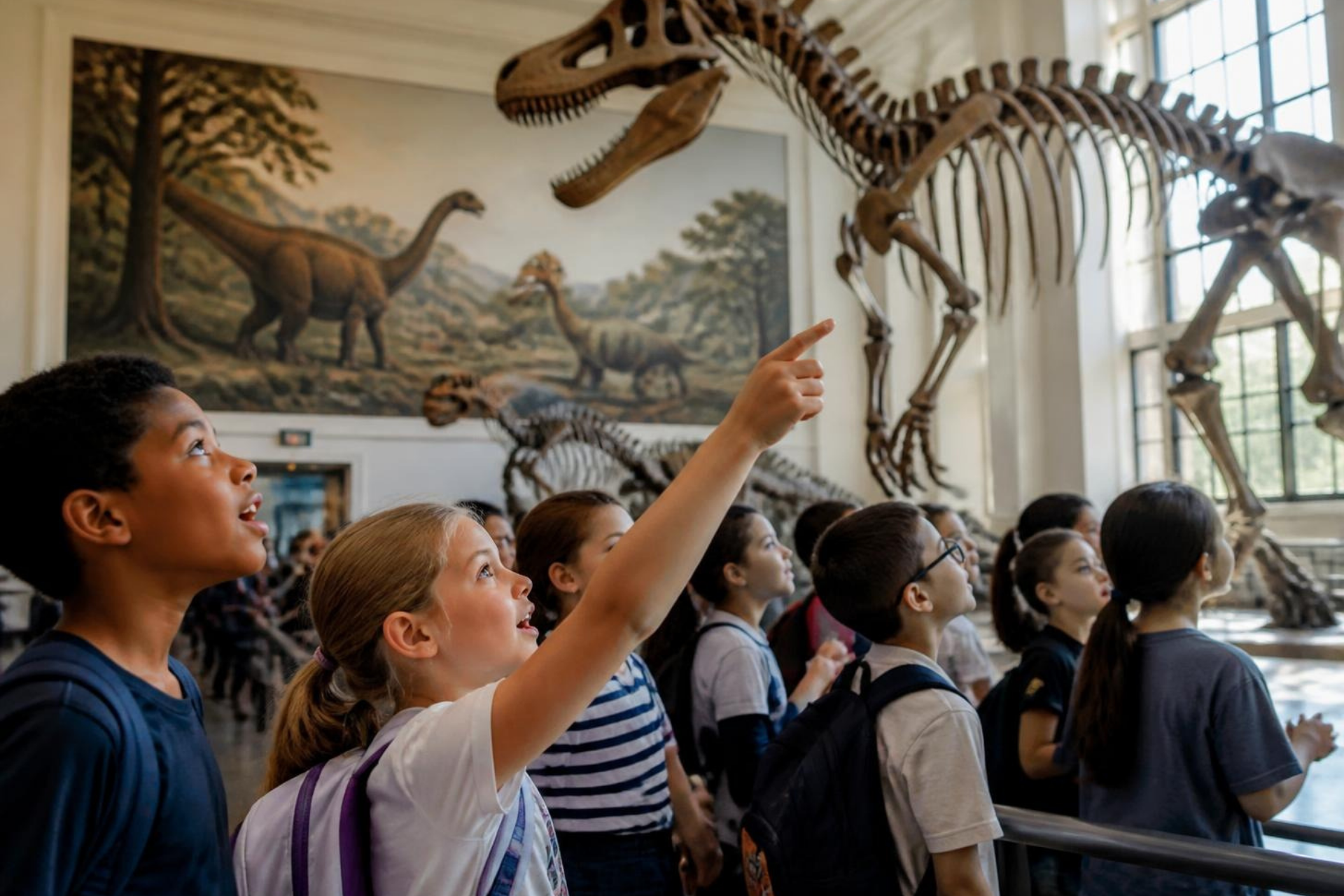
For many students, a school field trip is their first experience inside a museum. It’s an opportunity to see history, science, art and culture beyond the classroom—and perhaps spark an interest that lasts a lifetime.
But school groups also present a unique challenge for museums. Students are naturally curious, energetic and eager to get a closer look. Add large groups, excited conversations and the occasional wandering hand, and protecting collections can quickly become more difficult.
The goal shouldn’t be to discourage that excitement. Instead, museums can create an environment where students feel comfortable exploring while learning how to experience collections responsibly.
Here are seven ways to make the next school visit both memorable and collection-safe.
1. Set Expectations Before Entering the Gallery
A quick conversation before students enter an exhibition can prevent repeated reminders later.
Rather than giving students a long list of rules, keep expectations simple and explain the reason behind them. “Please don’t touch” becomes more meaningful when students understand that oils, dirt, and moisture from our hands can damage objects over time.
Teachers and chaperones can reinforce these expectations before the field trip even begins, giving students a better idea of what to expect when they arrive.
2. Give Students a Mission
“Walk around and look at things” isn’t particularly exciting to an eight-year-old.
Instead, turn observation into an activity. Ask students to find the smallest detail in a painting, choose an object they would put in their own museum, identify three colors an artist used, sketch their favorite piece, or find something that connects to what they’re learning in class.
Giving students something specific to look for channels their curiosity toward observation rather than interaction with the object itself.
3. Keep Groups Manageable
Twenty-five students gathered around one object can make it difficult for anyone to see—and even harder for museum staff and chaperones to maintain safe distances.
When possible, divide larger classes into smaller groups and stagger their routes through the museum. Students get a better view, educators have more opportunities for conversation and galleries are less likely to become congested.
4. Teach Students What a Safe Distance Looks Like
“Don’t get too close” can be surprisingly difficult for younger visitors to interpret.
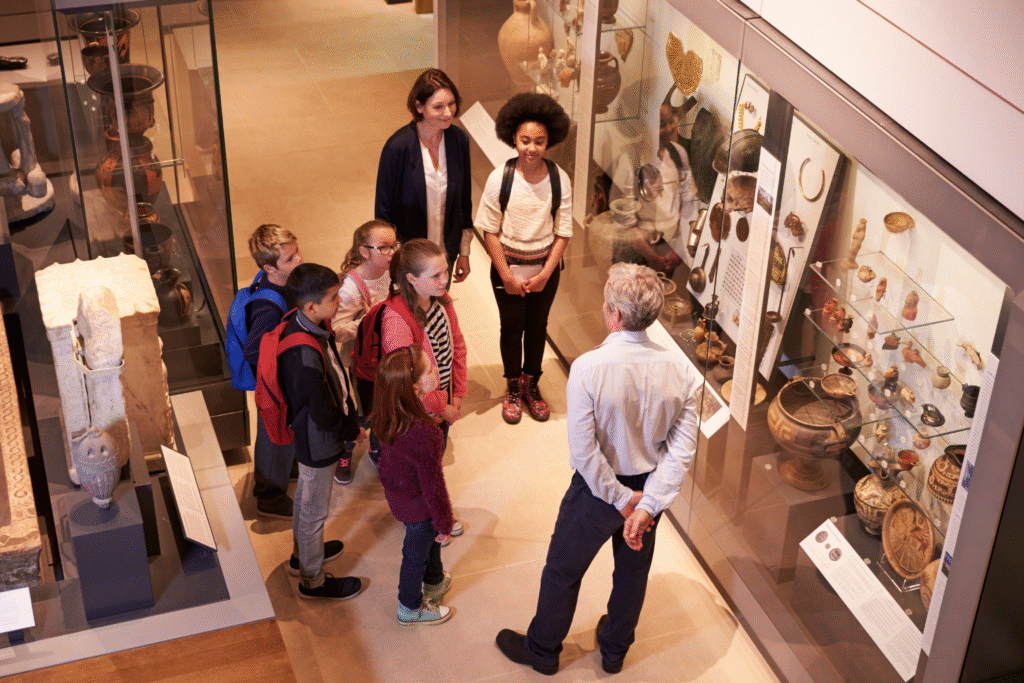
Give students an easy reference they can understand. Depending on your museum’s guidelines, that might mean staying an arm’s length away, remaining behind a floor marker or keeping their feet outside a designated area.
Clear boundaries allow students to concentrate on what they’re seeing instead of wondering whether they’re standing in the right place.
5. Let Technology Reinforce the Boundary
Even with clear instructions and attentive chaperones, students can become distracted. Sometimes all it takes is one exciting detail for someone to instinctively lean in for a closer look.
Technology can provide an additional layer of collection protection without requiring staff to constantly intervene.
For example, Art Sentry’s audible alerts can automatically remind visitors when they’ve entered a protected area or gotten too close to an object. For school groups, that immediate feedback can help students recognize the boundary and correct themselves before a staff member or chaperone needs to step in.
It also changes the interaction. Instead of hearing “step back” repeatedly from an adult, students begin learning how to navigate gallery spaces appropriately on their own.
Tip: Have a staff member demonstrate the alarm at the beginning of group visits and explain their function so students know what to expect.
6. Make Chaperones Part of the Plan
Teachers and parent volunteers can be some of a museum’s best partners during a field trip—but only if they know what’s expected of them.
Consider providing a short chaperone guide before the visit. Identify important collection-protection rules, explain how groups should move through galleries and clarify the chaperone’s role.
A little preparation can turn chaperones from additional visitors to an active part of creating a safe, enjoyable experience.
7. Keep the Experience Positive
Collection protection doesn’t have to make a museum feel restrictive.
Students are more likely to remember an enthusiastic educator, an incredible object or something surprising they discovered than a list of rules. When boundaries are clear and reinforced consistently, museum teams can spend less time correcting behavior and more time encouraging questions, conversations and discovery.
And that’s ultimately what a great field trip should accomplish.
Inspiring Curiosity While Protecting Collections
Today’s school groups are tomorrow’s museum visitors, members, supporters and perhaps even museum professionals.
Creating a positive experience means giving young visitors the freedom to be curious while teaching them how to interact responsibly with the objects around them. With thoughtful preparation, engaging activities, clear expectations and tools that help reinforce safe boundaries, museums can protect their collections without putting a barrier between students and discovery.
Because the best museum field trips don’t just teach students what they’re looking at—they teach them how to look, explore and appreciate it.