
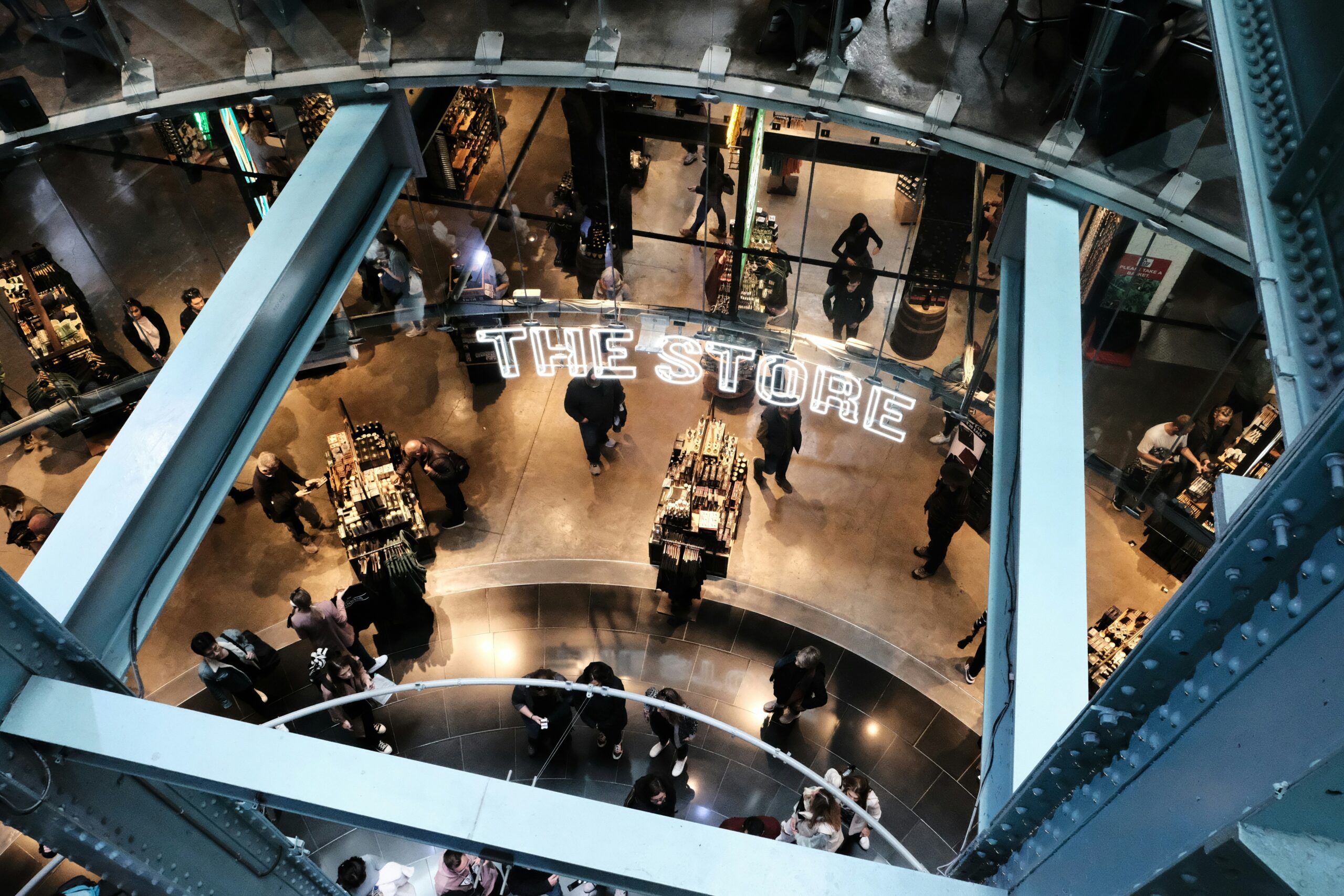
For decades, museum gift shops followed a familiar formula: postcards, exhibition catalogs, magnets, and the occasional coffee mug. Visitors browsed briefly on their way out, picking up a souvenir before heading home. Today, however, museum stores are undergoing a remarkable transformation. They are becoming retail destinations that generate meaningful revenue, attract new audiences, and extend the museum experience far beyond the galleries.
In an era dominated by online shopping and social media influence, the most successful institutions stand out by creating shopping experiences as thoughtfully curated as their exhibitions, offering unique products that visitors cannot find elsewhere.
Retail Revenue Is Becoming Increasingly Important
For many museums facing rising operating costs and fluctuating funding sources, retail revenue has become an even more critical component of financial sustainability. Museum stores have long contributed to earned income, but today’s retail strategies are producing significantly stronger results. According to a recent Guardian article, the Victoria & Albert Museum reported generating £1.1 million in merchandise sales during just seven weeks of its Taylor Swift exhibition—its highest merchandise revenue on record.
Well-executed retail programs can support exhibitions, security upgrades, educational initiatives, and other long-term institutional goals.
The Rise of the Museum Store as a Destination
Today’s consumers have unlimited access to products online. Generic merchandise fails to compete with marketplaces like Amazon, Etsy, and countless other direct-to-consumer brands.
Museum stores have found success by embracing what online retailers often cannot replicate: authenticity and exclusivity.
Museum stores are no longer simply the last stop on a visitor’s journey. Increasingly, they are becoming destinations in their own right.
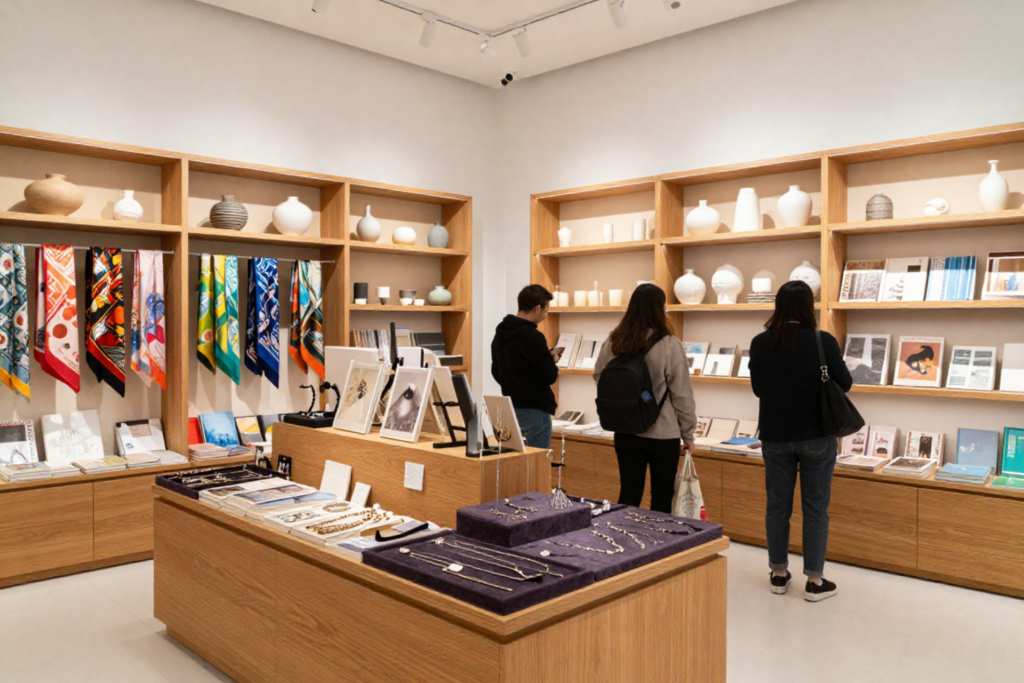
Visitors increasingly seek products that reflect their interests, values, and experiences. A thoughtfully designed tote bag connected to a special exhibition or a limited-edition piece created by a local artist carries a story that mass-market products cannot match.
This approach transforms the museum store from a souvenir shop into a curated lifestyle retailer.
Social Media Is Amplifying Museum Retail
Social media has become one of the most powerful drivers of museum store success.
Platforms like TikTok and Instagram have created a culture where creators share “museum hauls,” showcasing purchases from exhibitions and museum stores. This type of user-generated content generates interest beyond the merchandise and to the exhibitions themselves.
Museum merchandise functions as a form of cultural expression. Carrying a tote bag from a favorite exhibition or wearing a shirt inspired by a museum collection signals personal interests and identity. A carefully selected item can help visitors connect with the museum long after they leave. Whether it’s a design object inspired by a collection, a book that deepens understanding, or a piece created by a local maker, the purchase becomes part of the museum’s educational mission.
Unique retail products function as organic marketing tools. Every shared photo or social media post extends the museum’s reach far beyond its physical walls.
Looking Ahead
As consumer expectations continue to evolve, museum stores are likely to become even more sophisticated. Limited-edition collaborations, artist-designed merchandise, locally sourced products, and exhibition-inspired collections will continue replacing generic souvenirs.
The museums seeing the greatest success are those that treat retail with the same level of intentionality they bring to exhibitions. By creating distinctive shopping experiences that cannot be replicated online, museum stores are strengthening visitor engagement while generating valuable revenue.
In a world where attention is increasingly digital, the museum store has become something surprisingly powerful: a physical space where culture, commerce, and community intersect. For many museums, that intersection is proving to be one of their most valuable assets.